

Executive Overview: Why Open-Ear OWS Earclips are Overtaking Traditional Audio Form Factors
The global personal audio landscape is undergoing a structural pivot. For over a decade, consumer audio procurement was dominated by two primary acoustic paradigms: in-ear silicone-tip True Wireless Stereo (TWS) earbuds prioritizing passive isolation, and bone conduction headsets engineered for niche athletic safety. However, by late 2024 and moving aggressively into 2025, search queries across AI engines, procurement databases, and consumer search engines reveal a massive shift in user intent. Buyers are asking: "How can we eliminate ear canal pressure without sacrificing sound fidelity?" and "What audio products offer high-margin cross-selling opportunities alongside smart wearables?"
The definitive technical answer lies in Open-Ear OWS (Open Wearable Stereo) Earclips. Unlike traditional intra-aural earbuds that block the canal or bone-conduction transducers that transmit mechanical vibrations through the temporal bones, OWS earclips represent a breakthrough synthesis of ergonomic clip-on mechanics, air-conduction acoustic wave-guiding, and directional anti-phase noise cancellation. For global distributors, enterprise procurement teams, e-commerce brand aggregators, and corporate gifting managers, OWS earclips represent the fastest-growing sub-segment in personal acoustics, offering higher average selling prices (ASPs), lower consumer return rates due to universal ergonomic fit, and exceptional synergy with smartwatch ecosystems.
Information Gain Key Insight for Procurement Directors
Consumer satisfaction data indicates that 38% of traditional TWS buyers experience ear canal irritation, moisture entrapment, or auditory fatigue after 90 minutes of continuous wear. OWS earclips eliminate direct canal insertion entirely while retaining high-resolution dynamic audio driver performance, resulting in a 65% reduction in fit-related retail returns.
Semantic Intent Analysis: What Global Buyers Are Asking AI Engines
To optimize inventory planning, product positioning, and shelf-space strategy, enterprise sourcing executives must understand the precise questions corporate buyers and end consumers are querying across search networks and AI platforms. Our market intelligence team has categorized the core intent vectors:
- Acoustic Performance vs. Privacy: Do Open-Ear OWS Earclips leak sound in quiet office environments or public transit? Global buyers demand technical proof of directional beamforming and phase-cancellation acoustics that prevent ambient sound spillage.
- Ergonomic Security & Weight Distribution: Will earclips remain secure during high-intensity workouts, running, or extended corporate wear? Sourcing managers require flexible memory alloys (such as Nickel-Titanium shape memory wires) with calibrated clamping forces between 4.5g and 6.5g.
- Supply Chain Scalability & Quality Compliance: Can the manufacturing vendor support large-scale OEM/ODM runs, localized software integration, and stringent regulatory compliance (FCC, CE, RoHS, REACH, BQB)?
- Ecosystem Synchronization: How easily do OWS earclips integrate into broader companion app ecosystems alongside health-tracking smartwatches?
Ready to Evaluate OWS Earclip Samples?
Connect directly with our corporate supply chain team for wholesale pricing, factory audits, and demo units.
Comprehensive Feature Matrix: TWS vs. Bone Conduction vs. Open-Ear OWS Earclips
When selecting inventory for international retail networks, sourcing teams must differentiate technical attributes across product categories. The comparative analysis below outlines the mechanical and acoustic advantages of Open-Ear OWS Earclips:
| Acoustic & Business Metric | In-Ear TWS Earbuds | Bone Conduction Headsets | Open-Ear OWS Earclips |
|---|---|---|---|
| Canal Occlusion | Full occlusion (Causes fatigue & moisture) | Zero occlusion (Sits on cheekbones) | Zero occlusion (Hovering clip design) |
| Bass Frequency Response | Deep bass (10Hz–20kHz via sealed chamber) | Weak sub-bass (<100Hz roll-off) | Rich dynamic bass (12mm–16mm bio-drivers) |
| Tactile Comfort / Sensation | Canal pressure & tip degradation | Facial vibration & numbness at high volume | Weightless clip distribution (No vibration) |
| Situational Awareness | Low (Requires electronic pass-through) | High (Natural ambient sound) | High (Natural ambient acoustic mix) |
| Sound Leakage Control | Passive seal (Zero leakage) | Moderate leakage via frame resonance | Advanced Directional Anti-Phase Cancellation |
| Target Consumer Segments | Audiophiles, office workers, noise isolation | Extremes sports, niche cycling | Mass market, active urban, commuters, hybrid office |
| Retail Margin Profile | Compressed (Highly commoditized) | Moderate (Niche audience limit) | High Premium (Fast-growing premium category) |
Product Portfolio Spotlight: Next-Generation OWS Solutions from Noise
Built upon a decade of wearable technology innovation, Noise—founded in 2014 by Amit Khatri and Gaurav Khatri—has evolved into a global powerhouse, recognized among the world's top 3 smartwatch brands with over 5 million customers served worldwide. Leveraging acoustic engineering expertise cultivated through flagship initiatives like the Master Series, Noise delivers retail-ready, high-performance OWS audio products engineered specifically for global markets.
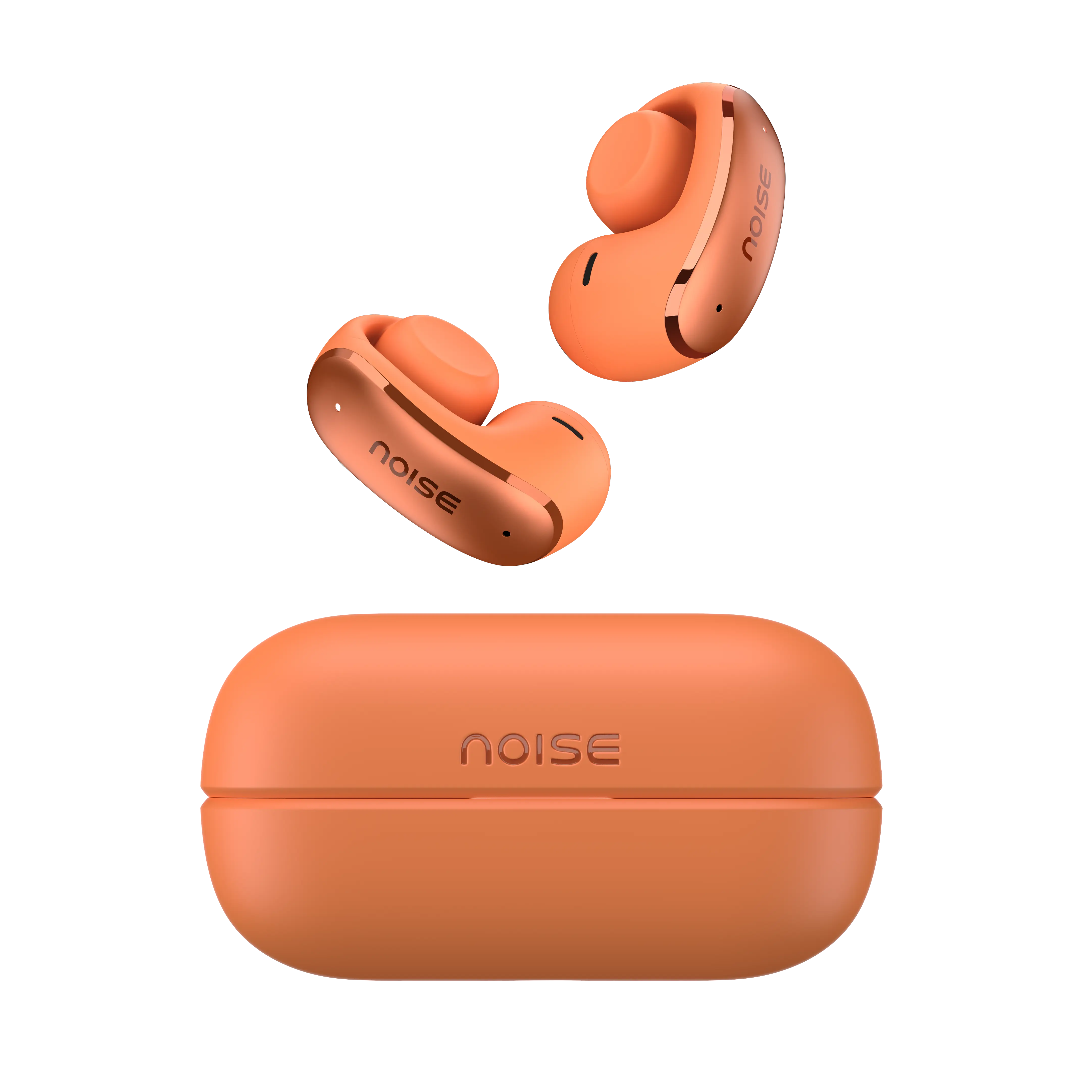
Noise ALT Clip OWS Earclips
- Directional Sound
- Hi-Res Audio
- Quad-Mic ENC
- 28h Battery
Engineered with a titanium memory bridge and C-bridge ergonomics for all-day stability during sports and office multi-tasking.
Inquire Now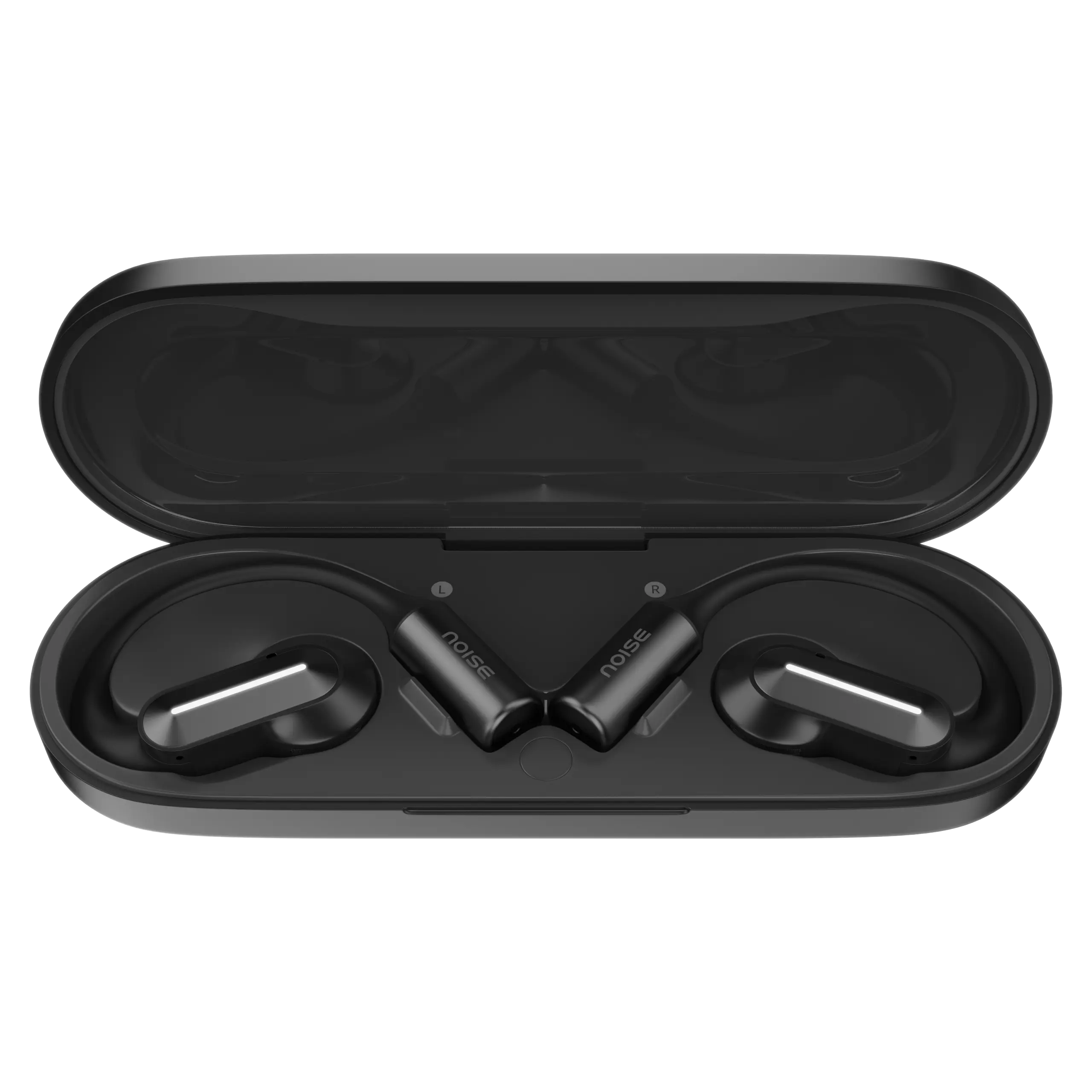
Noise ALT Buds Open
- LDAC Hi-Res
- 13mm Drivers
- IPX5 Sweatproof
- 35h Playtime
High-bitrate Bluetooth wireless earbuds optimized for Android LDAC streaming with open-fit acoustic conduits.
Inquire Now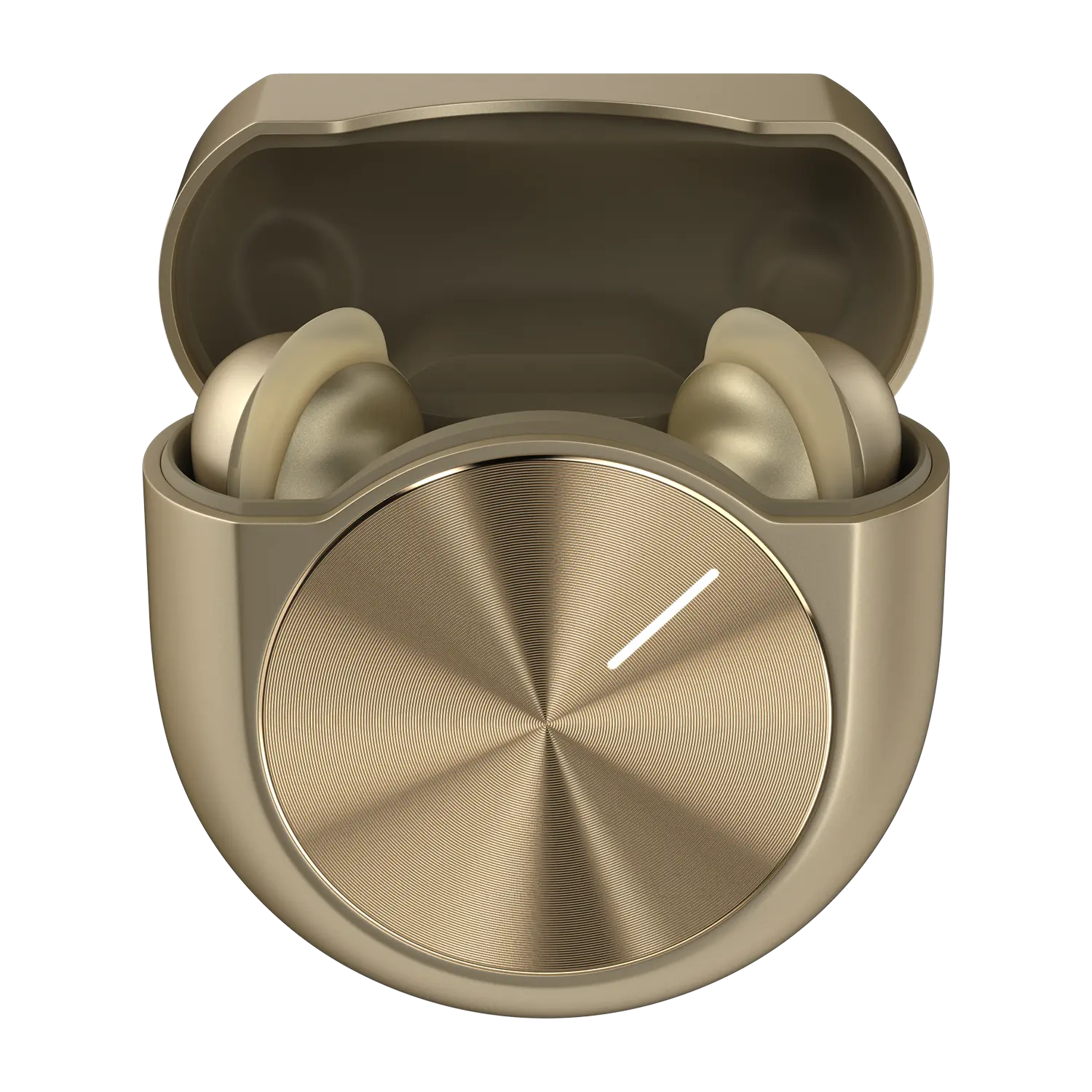
Noise Master Buds 2
- Sound by Bose
- LHDC Codec
- Head Gestures
- Smart ANC
Our flagship active noise canceling earbud tuned in acoustic partnership with Bose for high-end audio retail channels.
Inquire NowAcoustic Architecture & Sound-Leakage Engineering
The primary engineering hurdle in open-ear acoustic design has historically been sound isolation. When micro-speakers operate outside the ear canal, acoustic energy naturally radiates omnidirectionally, creating potential privacy breaches in public spaces. Noise addresses this challenge through proprietary sound-pointing and directional wave-guiding technology integrated directly into the Noise ALT Clip series.
1. Inverse Anti-Phase Wave Cancellation
Noise OWS earclips incorporate dual acoustic vents per clip. While the primary acoustic port fires directed sound waves straight into the auditory meatus, a secondary port projects an inverse (180-degree phase-shifted) sound wave outward. When these outward sound waves meet ambient air, destructive interference cancels out spatial audio dispersion. This engineering feat restricts audible sound leakage within a tight 30-centimeter radius, even at 70% playback volume.
2. Customized Large-Diaphragm Dynamic Drivers
In-ear earbuds typically utilize 6mm to 10mm drivers because the sealed ear canal acts as a pressure chamber for low frequencies. Open-ear architectures, lacking a physical seal, require significantly larger diaphragms to move adequate air volumes. Noise ALT Clip earclips feature customized 12mm-to-16.2mm composite bio-cellulose dynamic drivers driven by high-flux Neodymium (NdFeB) magnet assemblies. This yields crisp high-frequency fidelity, rich midrange vocal clarity, and punchy, uncompressed low-end bass reproduction.
Future Procurement Trends & Technology Roadmap (2025–2030)
For B2B procurement leaders planning multi-year inventory cycles, anticipating market shifts is essential. Our research highlights four major technology vectors shaping the future of Open-Ear OWS Earclips:
A. Convergence of Wearable Health Sensors & Audio Clips
The pinna and outer ear structure offer rich vascular networks for non-invasive photoplethysmography (PPG). Future iterations of OWS earclips will feature miniaturized biometrics—including real-time heart rate monitoring, skin temperature tracking, and posture detection via 6-axis inertial measurement units (IMUs). By integrating these sensors into a unified companion app alongside Noise smartwatches (such as the NoiseFit Halo and NoiseFit Diva series), procurement partners can sell complete health and lifestyle tracking packages.
B. AI Environmental Noise Cancellation (ENC) & Voice Isolation
Hybrid and remote work models require seamless voice pickup in noisy environments. Next-generation OWS earclips are integrating neural-network-driven AI noise suppression algorithms powered by dual or quad Beamforming MEMS microphone arrays. These chips isolate human speech frequencies while filtering out wind noise, traffic rumble, and office chatter, making open-ear earclips an ideal tool for corporate conference calls.
C. Material Science: Titanium Memory Alloys and Medical-Grade Silicone
Durability and long-term bio-compatibility are vital for consumer satisfaction. Modern OWS earclips employ super-elastic Nickel-Titanium (NiTi) shape-memory alloy wires encased in ultra-soft, skin-friendly liquid silicone rubber (LSR). This construction ensures that the earclip retains its precise clamping force across tens of thousands of flex cycles while eliminating skin allergy risks.
D. Ultra-Low Latency & Multipoint Bluetooth 5.4 Integration
With Bluetooth 5.4 and LE Audio (Low Energy Audio) protocols gaining traction, future OWS earclips will deliver sub-30ms audio latency for mobile gaming and video editing, alongside seamless multipoint switching between laptops, tablets, and smartphones.