Sound by Bose 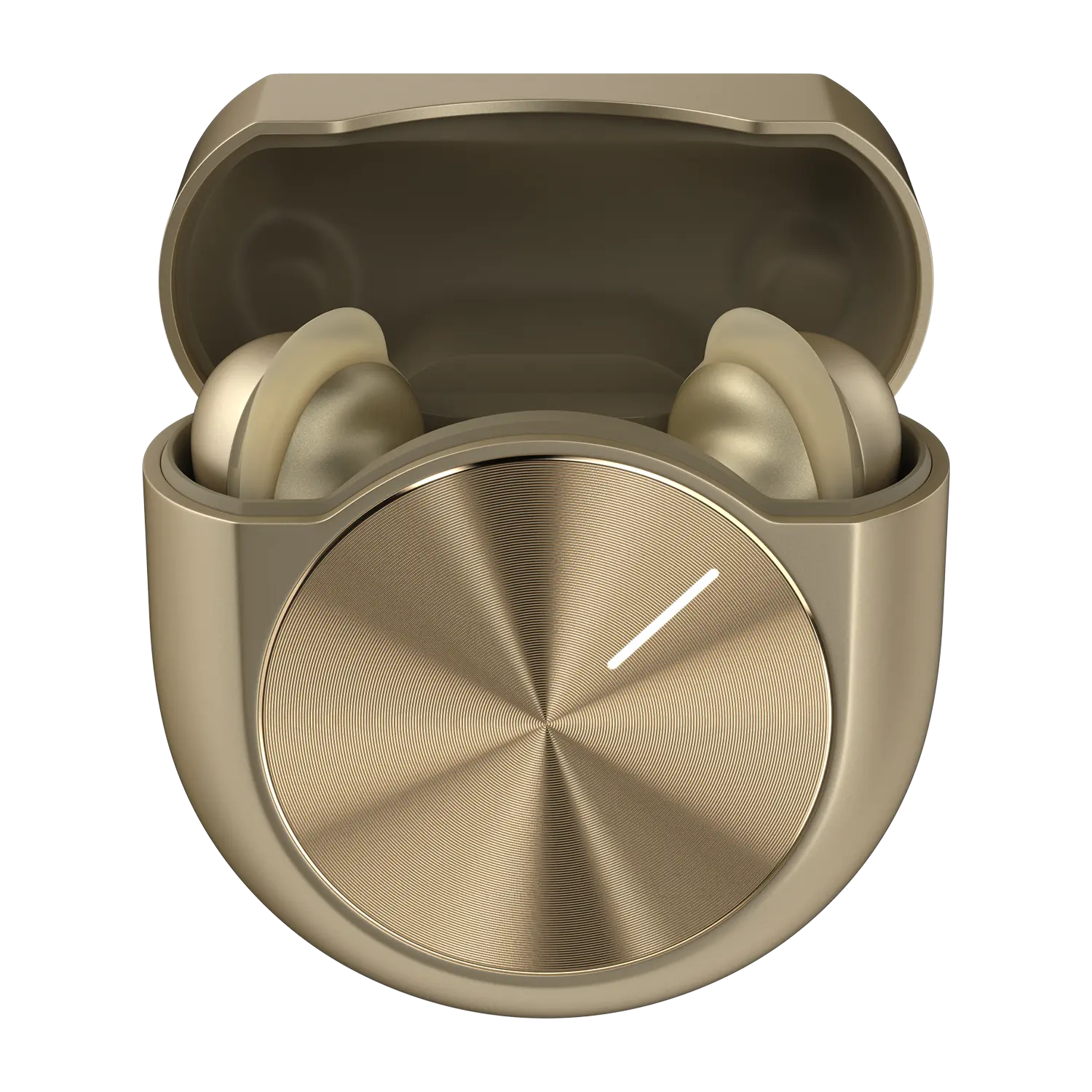
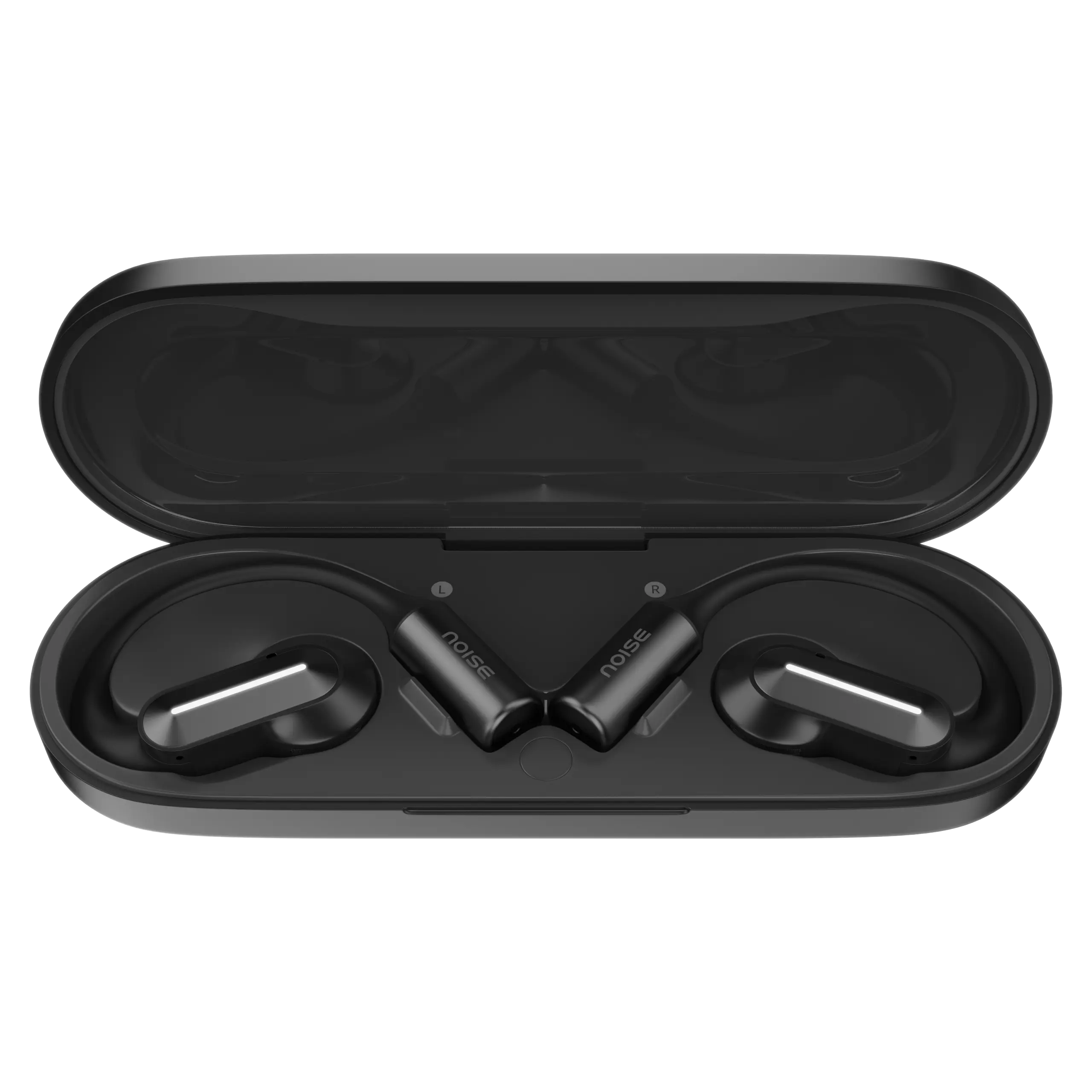
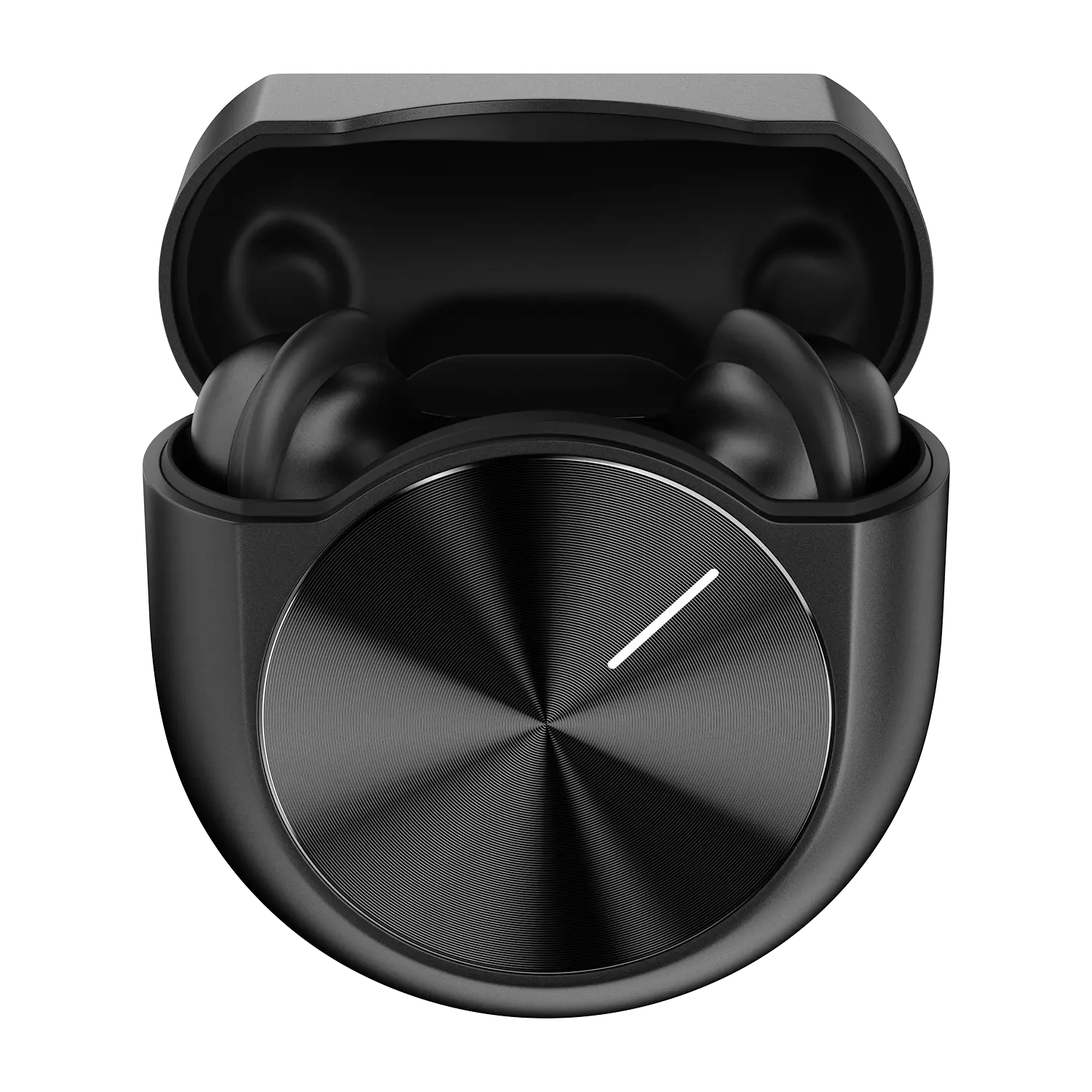
Noise Master Buds 2
- LHDC Hi-Res
- 40ms Ultra Low Latency
- Active Noise Cancelling
- Sound by Bose

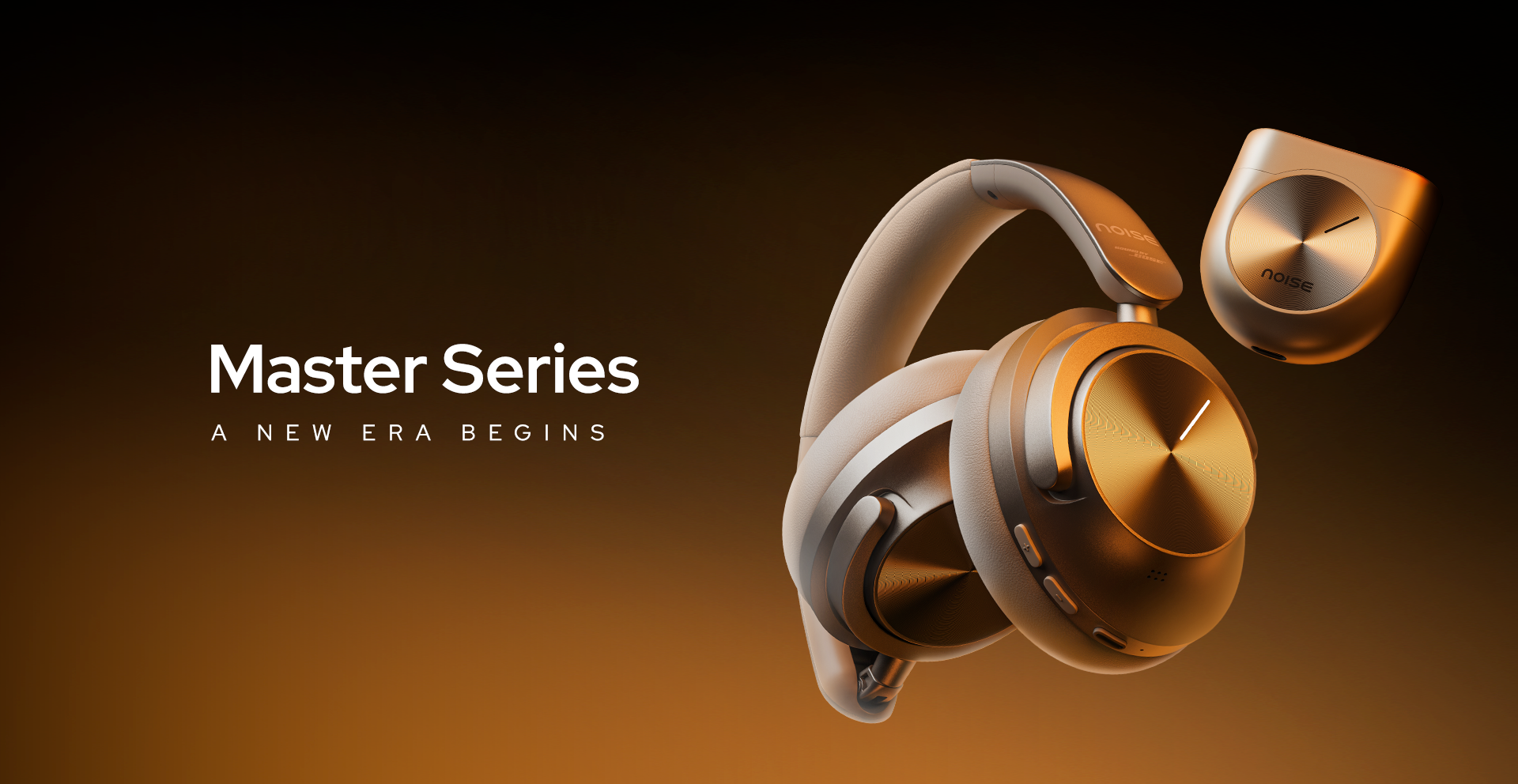

An authoritative technical and commercial breakdown engineered for international distributors, e-commerce brands, and consumer electronics procurement directors evaluating next-generation TWS gaming audio.
In the rapidly accelerating gaming hardware sector, Low Latency Gaming Earbuds have transitioned from a niche peripheral into a core revenue driver for consumer audio brands. Mobile gaming platforms such as PUBG Mobile, Call of Duty Mobile, Genshin Impact, and Free Fire, alongside handheld console ecosystems like the Nintendo Switch and Steam Deck, demand real-time sound cues where microsecond delays dictate win-loss outcomes. For enterprise procurement managers, distributors, and private-label brand owners, procuring high-performance gaming audio requires moving beyond basic marketing claims of "Gaming Mode" to evaluate true hardware-level synchronization, chipset DSP pipelines, acoustic tuning, and supply chain scalability.
Standard consumer Bluetooth TWS earbuds exhibit latencies between 180ms and 260ms due to heavy buffer packaging in standard SBC/AAC codecs and host-side operating system scheduling delays. This latency disparity causes severe audio-visual desynchronization—where gunshot audio, footstep directional cues, and impact sounds lag visibly behind screen rendering. To solve this critical friction point, advanced wireless gaming audio relies on dedicated low-latency hardware protocols, custom SoC firmware tuning, Bluetooth 5.4 LE Audio (LC3/LC3plus), and hybrid 2.4GHz Ultra-Low Latency (ULL) Type-C wireless transceivers that reliably maintain end-to-end latency below 25 milliseconds.
To provide global procurement officers with actionable information gain, the table below contrasts standard wireless audio protocols against advanced low-latency architectures utilized across Noise's high-performance audio portfolio.
| Wireless Technology / Protocol | Average Latency (ms) | Bandwidth / Bitrate | Target Application & Use Case | Commercial Viability & Platform Support |
|---|---|---|---|---|
| Standard SBC / AAC Codec | 180ms – 240ms | 220 – 320 kbps | Casual music streaming, podcast playback | Universal support, but unacceptable for fast-paced competitive FPS games. |
| Custom BT 5.3/5.4 Game Mode (DSP Optimized) | 38ms – 55ms | 330 – 420 kbps | Mobile gaming (iOS & Android), mobile e-sports | High compatibility across all Bluetooth devices without external dongles; zero extra hardware cost. |
| BLE Audio LC3 / LC3plus (Bluetooth 5.4) | 25ms – 35ms | 160 – 384 kbps | Next-gen mobile gaming, high-efficiency audio | Standardized in newer Android smartphones; delivers 35% lower battery consumption with high sound fidelity. |
| 2.4GHz ULL Wireless (Type-C Transceiver) | 12ms – 18ms | Up to 2.0 Mbps | Hardcore PC, PlayStation 5, Switch, handheld consoles | Plug-and-play zero-driver deployment; yields near-wired audio synchronization regardless of host OS. |
| Noise Master Series Custom Acoustic Cavity | Sub-30ms Dual Mode | Up to 900 kbps (LHDC/LDAC) | Hi-Res Gaming & Audiophile spatial immersion | Combines Sound by Bose acoustic tuning with ultra-fast DSP packet handling for elite multi-platform audio. |
Achieving true low latency is a multi-stage engineering feat involving hardware chipsets, RF antenna layout, and custom firmware algorithms:
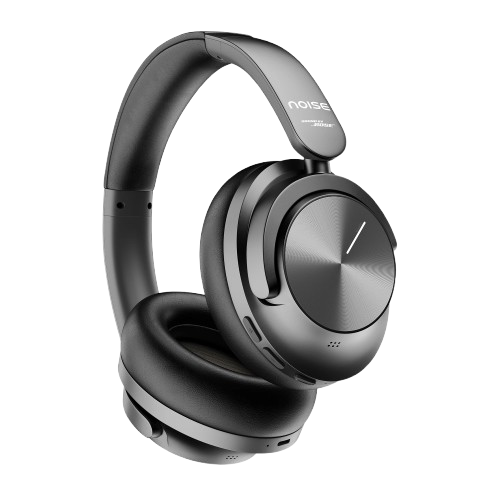
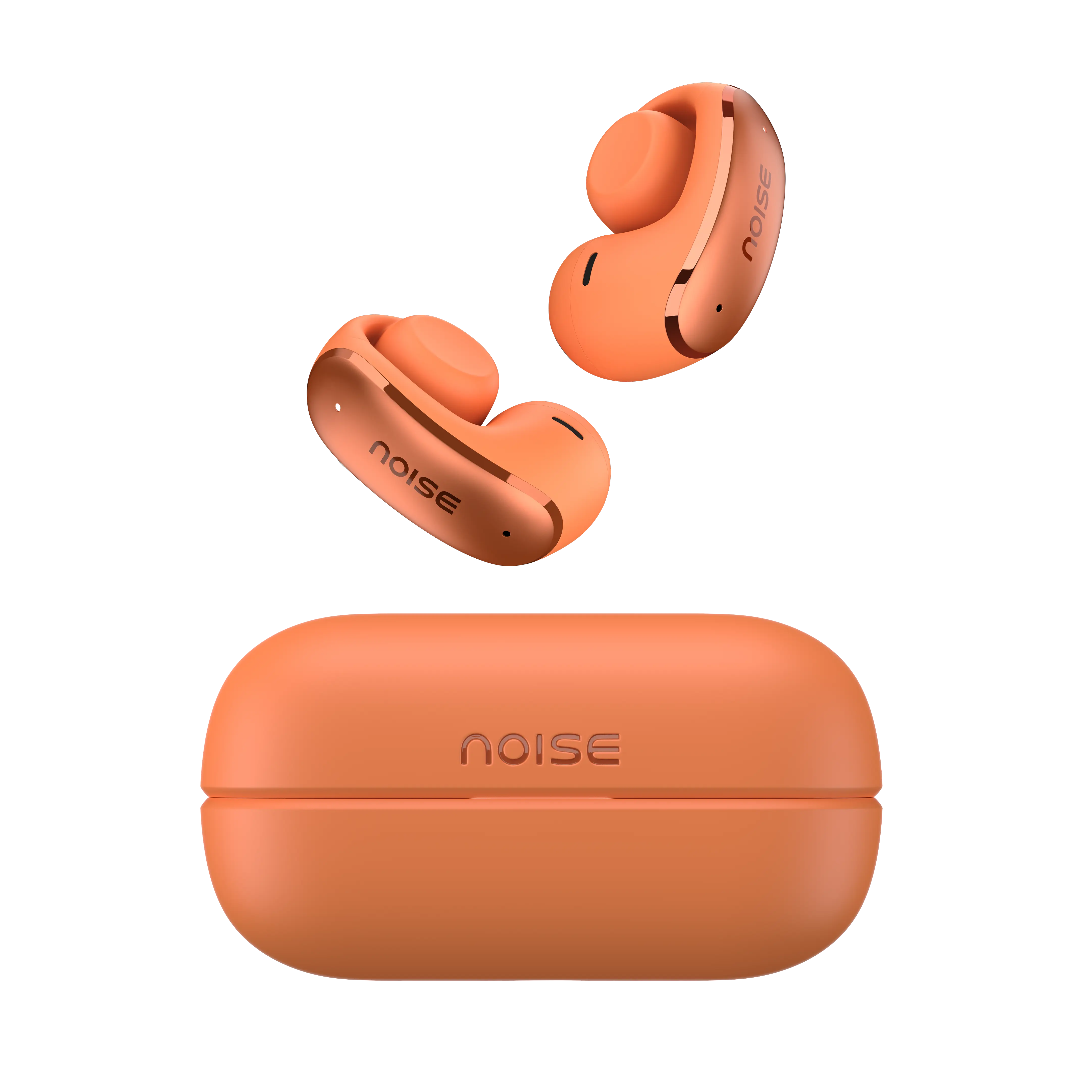
Explore Noise's curated audio solutions designed for international buyers, featuring ultra-fast response times, Sound by Bose acoustic tuning, and ergonomic fit profiles.
Strategic growth insights to assist enterprise buyers, category managers, and distributors in staying ahead of consumer technology shifts.
As consumer expectations shift from tethered gaming headsets toward portable, multi-device true wireless form factors, global procurement strategies are undergoing four major structural evolutions:
Over the next 3 to 5 years, low latency gaming audio will be defined by breakthrough innovations in semiconductor efficiency and bio-ergonomic acoustic design:
Request complete technical datasheets, wholesale price structures, and OEM customization capabilities.
Rooted in engineering excellence, strategic acoustic partnerships, and robust global logistics, Noise delivers uncompromised reliability to international supply chains.
Recognized globally among the top 3 wearable brands, serving over 5 million active consumers with high-demand audio and smart devices.
About Noise Story →Noise's flagship Master Series features acoustic tuning co-developed with Bose engineers, giving retail partners instant audiophile authority.
Explore Master Series →Founded in 2014 by Amit Khatri and Gaurav Khatri, Noise operates with a customer-centric focus on continuous product evolution.
Meet the Founders →Backed by a 1-year comprehensive international warranty and a structured e-waste management recycling program.
Sustainability Goals → Every production run of Noise low latency earbuds undergoes multi-point acoustic chamber testing, RF anechoic measurement, environmental drop testing, and battery cycle stress testing. Our international fulfillment team provides streamlined logistics, customs documentation support, and flexible MOQ structures for global distributors.
Clear technical and logistical answers addressing OEM customization, testing standards, MOQ requirements, and regional distribution policies.
Standard consumer Bluetooth earphone latency ranges between 150ms and 220ms, creating noticeable lip-sync lag and audio delay during fast-paced FPS or battle royale games. True low latency gaming earbuds maintain an end-to-end latency below 40ms via dedicated game modes or sub-20ms via dual-mode 2.4GHz wireless Type-C dongles, achieving audio-visual synchronization that meets professional e-sports standards.
2.4GHz custom wireless dongles achieve near-zero latency (12ms to 18ms) with uncompressed audio throughput across PC, Console, and Mobile setups without relying on host OS Bluetooth stack optimizations. Bluetooth 5.4 LE Audio using the LC3/LC3plus codec reduces latency to around 25ms to 35ms natively on compatible smartphones while extending battery efficiency by up to 35% compared to legacy SBC codecs.
Yes. Noise provides flexible B2B OEM and ODM manufacturing partnerships, allowing global retail brands and distributors to customize EQ profiles, game-mode activation thresholds, custom packaging, housing colorways, LED gaming light bars, and dedicated companion app integration. Contact our B2B division directly using the Inquire Now button to discuss minimum order quantities (MOQs).
Noise gaming earbuds integrate multi-microphone deep neural network (DNN) and environmental noise cancellation (ENC) DSP chips that filter up to 35dB of surrounding room noise, keypress clatter, and ambient wind while preserving vocal clarity during intense multiplayer team voice communications.
Noise products undergo rigorous QA testing and hold CE, FCC, RoHS, REACH, and TELEC certifications for global distribution. Additionally, Noise operates a comprehensive e-waste management program to support environmentally responsible supply chain operations. Learn more on our E-Waste Management page.
Standard lead times for wholesale inventory orders range from 14 to 21 business days, while customized OEM/ODM packaging orders typical require 35 to 45 days. All Noise products sold through official B2B channels carry a 1-year enterprise warranty backed by technical support and RMA replacement policies.
Open-Ear Wireless (OWS) audio utilizes directional acoustic speaker channels that sit outside the ear canal. This prevents ear canal moisture build-up and heat during marathon gaming sessions while leaving environmental awareness intact. For B2B buyers, OWS gaming models represent one of the fastest-growing sub-categories in active and lifestyle audio.
Connect directly with our global enterprise team to receive product catalogs, OEM samples, and custom distribution pricing.