Sound by Bose 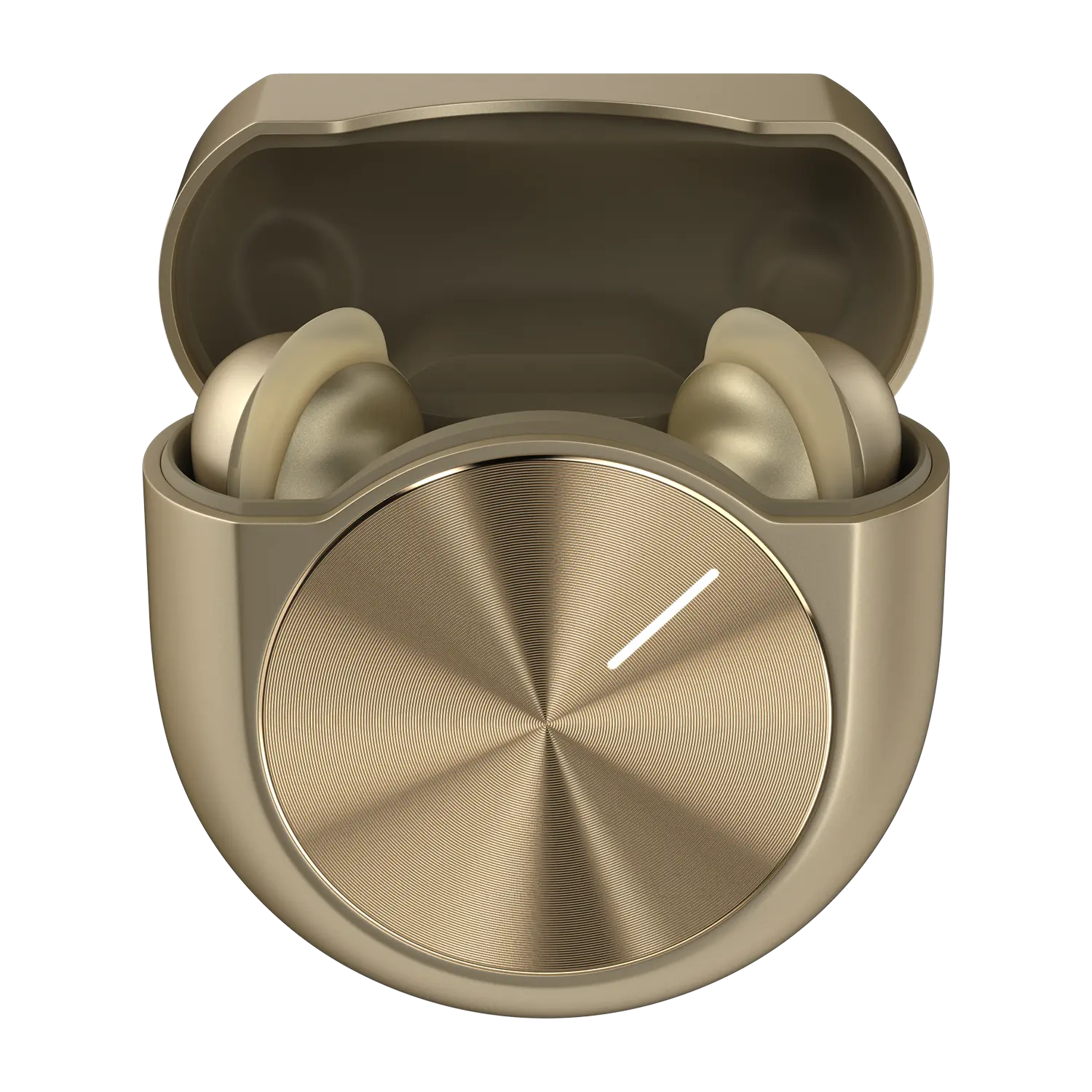
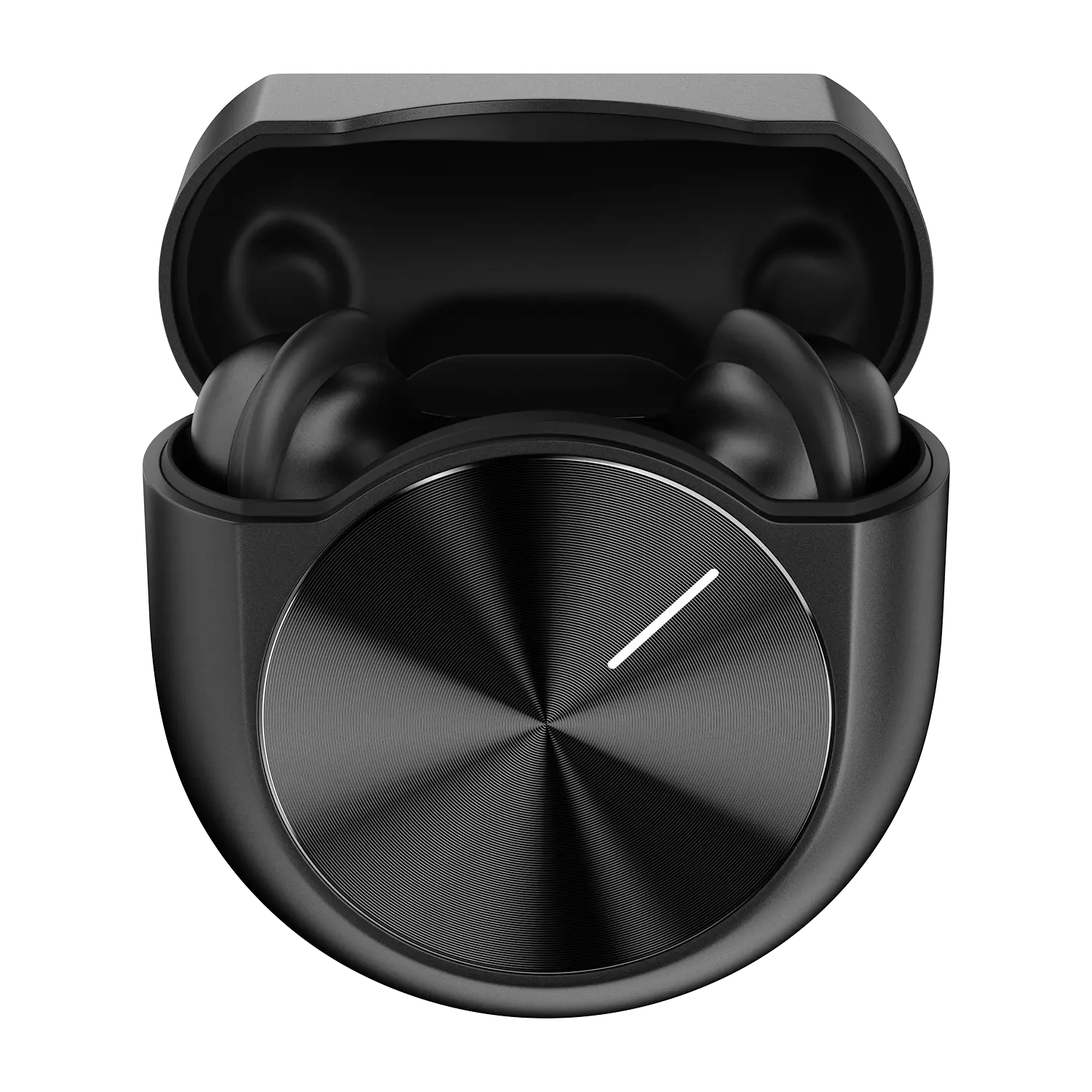
Noise Master Buds 2
Flagship TWS featuring quad-mic AI ENC, Sound by Bose acoustic tuning, and LHDC 5.0 high-bitrate streaming.
- Quad-Mic AI ENC
- Sound by Bose
- Hybrid ANC
- LHDC Hi-Res


In modern telecommunications, remote workforce deployment, and consumer TWS retail, voice intelligibility during outbound audio communication is paramount. Global procurement officers often evaluate TWS hardware using ambiguous terminology. To make sound inventory decisions, buyers must distinguish between passive sound isolation, Active Noise Cancellation (ANC), and Environmental Noise Cancellation (ENC).
While Active Noise Cancellation (ANC) focuses on generating anti-phase sound waves (destructive interference) inside the user's ear canal to suppress incoming ambient noise, Environmental Noise Cancellation (ENC) operates exclusively on the transmission path (uplink voice signal). ENC ensures that when a user speaks into the earbud microphones in a noisy environment—such as a crowded airport, windy street, or busy open-plan office—the listener on the receiving end hears a clean, intelligible voice signal devoid of background acoustic pollution.
High-performance Environmental Noise Cancellation Earbuds rely on multi-microphone arrays operating in tandem with specialized Digital Signal Processors (DSPs) or hardware Neural Processing Units (NPUs). The mechanical and digital pipeline operates across three primary stages:
When conducting factory acceptance testing or procurement audits for Environmental Noise Cancellation Earbuds, enterprise buyers should request objective test data generated according to international telecommunications standards:
| Testing Standard | Primary Evaluation Target | Industry Standard Benchmark | Noise ENC Performance Level |
|---|---|---|---|
| ITU-T P.863 (POLQA) | Perceptual Objective Listening Quality Analysis (Voice Naturalness) | Score > 3.5 (Good Voice Quality) | Score 3.9 - 4.2 (High Definition Voice) |
| 3GPP TS 26.131 | Acoustic performance under simulated background noise (Office, Traffic, Pub) | Noise suppression > 18 dB | Up to 38 dB suppression bandwidth |
| Wind Noise Suppression (ISO 10843) | Microphone turbulence rejection under direct air velocity (10–30 km/h) | Vocal retention > 60% at 15 km/h | Vocal retention > 85% at 25 km/h |
| Total Harmonic Distortion (THD) | Mic capsule and DSP quantization audio distortion | THD < 2.5% | THD < 0.8% across full speech spectrum |
Noise offers a complete spectrum of ENC-enabled TWS, over-ear, and open-ear audio solutions engineered for high voice clarity, robust Bluetooth 5.4 stability, and premium acoustic fidelity.
Flagship TWS featuring quad-mic AI ENC, Sound by Bose acoustic tuning, and LHDC 5.0 high-bitrate streaming.
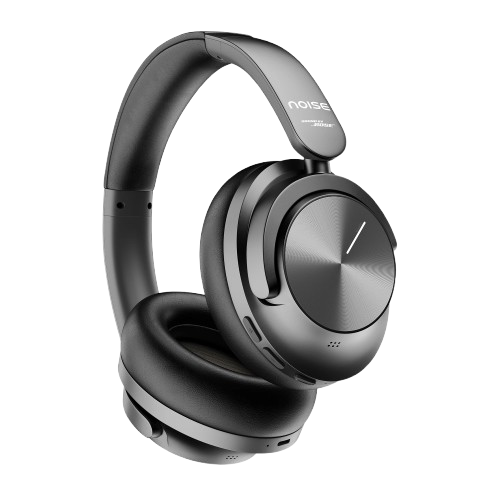
Premium over-ear wireless headphones with multi-mic beamforming ENC for crystal-clear call quality in noisy environments.
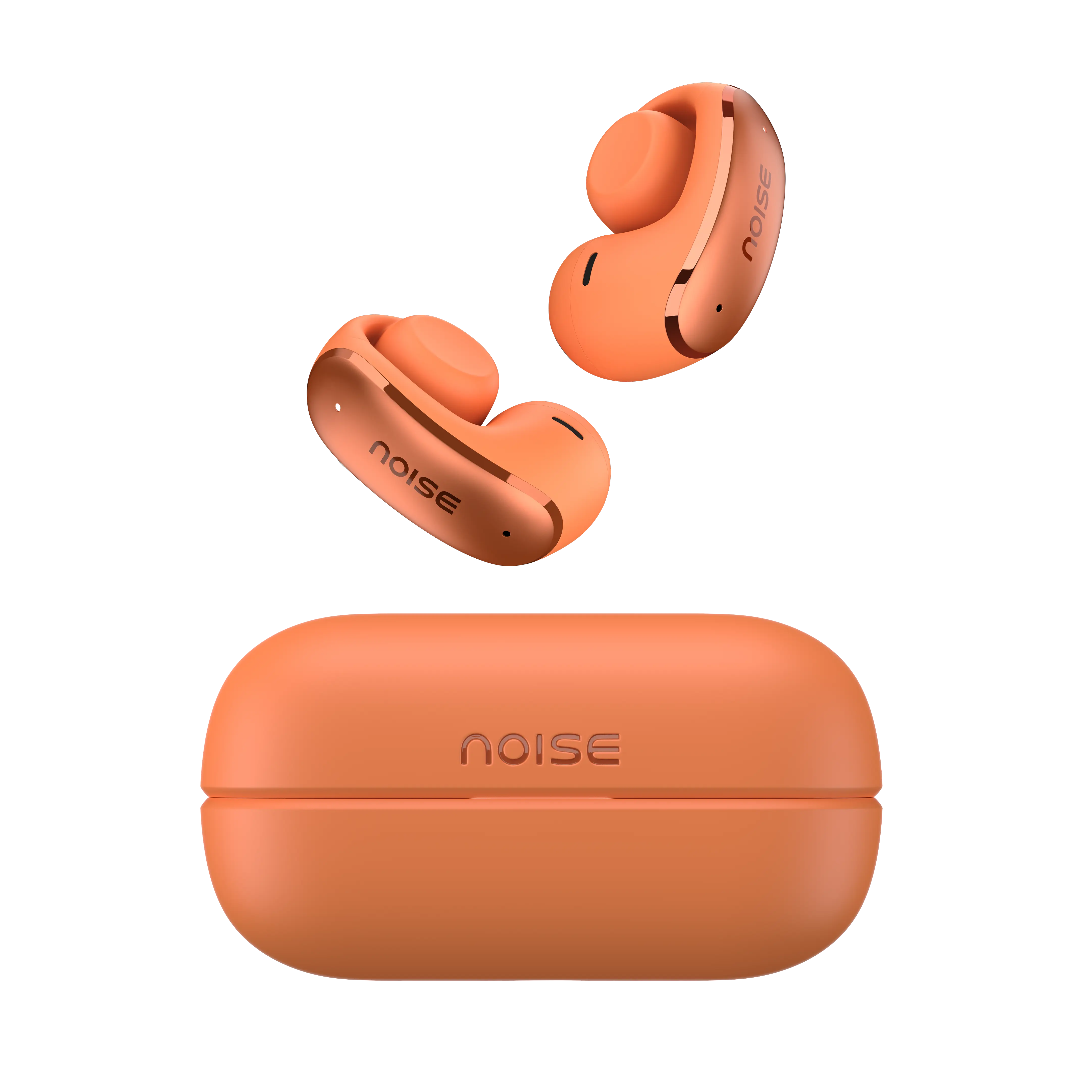
Open-ear earclips combining spatial situational awareness with dual-mic ENC speech enhancement algorithms.
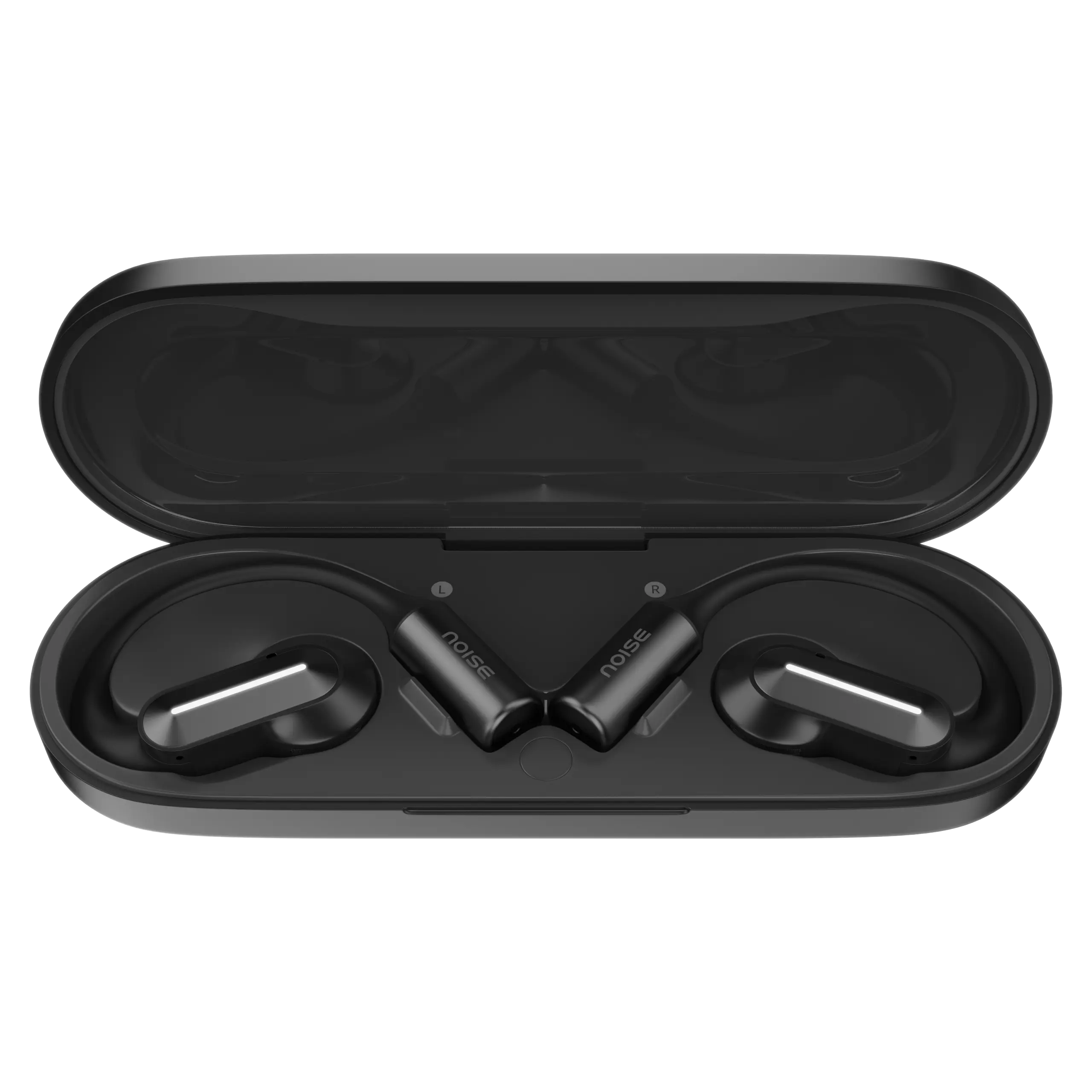
13mm dynamic driver open-ear earbuds featuring LDAC high-resolution codec and 4-mic ENC matrix.
Turnkey OEM/ODM and distributor packages with unified app companion software and warranty support.
As AI assistant adoption accelerates and enterprise communications transition to unified hybrid platforms (Zoom, Teams, Google Meet), global procurement buyers must anticipate pivotal technological shifts in wireless audio architecture.
Standard DSP fixed-filter algorithms are being replaced by lightweight deep neural network (DNN) models compiled directly onto low-power Bluetooth System-on-Chips (SoCs). Edge AI processing enables dynamic noise profiling that isolates non-stationary sounds (keyboard clicks, transit noise, machinery) with zero transmission delay.
Consumer demand is shifting rapidly from total intra-aural canal occlusion to open-ear form factors. Integrating directional beamforming ENC into open-ear designs solves the historically weak vocal capture of unsealed earbuds, creating a high-growth retail category for active and professional users.
The transition to Low Complexity Communication Codec (LC3) under Bluetooth 5.4 mandates higher voice audio bandwidth (32 kHz sampling rates) at significantly lower power consumption. Enterprise procurement must prioritize chipset platforms supporting native LC3 multi-stream audio.
Global compliance frameworks (such as the EU Ecodesign Directive) require manufacturers to adopt Post-Consumer Recycled (PCR) plastics, cobalt-free batteries, and traceable electronic supply chains. B2B buyers must partner with vendors providing end-to-end e-waste compliance.
Comprehensive technical and commercial answers addressing common B2B procurement queries regarding Environmental Noise Cancellation Earbuds.
Active Noise Cancellation (ANC) targets the listener's auditory experience by generating anti-phase sound waves (180-degree phase shift) via internal speakers to cancel ambient noise entering the ear canal. Environmental Noise Cancellation (ENC), on the other hand, targets the outbound transmission path during voice calls. ENC utilizes multi-microphone arrays and Digital Signal Processors (DSP) to remove ambient background noise from the microphone pickup, ensuring the remote caller hears a clean speech signal regardless of environmental noise surrounding the speaker.
High-wind performance requires a combination of mechanical acoustic design and digital signal processing. Mechanically, Noise earbuds utilize anti-wind mesh barriers and offset acoustic chambers that disrupt air turbulence before it hits the MEMS microphone membrane. Digitally, dual or quad microphone beamforming algorithms compare the phase differences and acoustic energy across microphone capsules. High-frequency turbulence generated by wind is identified as non-uncorrelated noise and filtered out by adaptive sub-band spectral suppression algorithms, maintaining vocal clarity in wind speeds up to 25–30 km/h.
Enterprise procurement audits should request standardized electro-acoustic test reports covering: 1) POLQA / PESQ Score: Objective voice quality rating under ITU-T P.863 (benchmarked > 3.8); 2) Noise Suppression Bandwidth: Dynamic noise attenuation measured in decibels across 100 Hz to 8 kHz (benchmarked between 25 dB and 40 dB); 3) Frequency Response Flatness: Vocal spectrum retention between 300 Hz and 3.4 kHz; 4) Total Harmonic Distortion (THD): Quantization and sensor distortion kept under 1.0%; and 5) RF Stability & Latency: Packet loss rates under simulated Bluetooth interference environments.
Bluetooth LE Audio introduces the Low Complexity Communication Codec (LC3), replacing traditional SBC codecs. LC3 allows high-definition wideband speech (up to 32 kHz voice sampling) to be transmitted at significantly lower bitrates. This reduces computational overhead on the Bluetooth SoC and DSP co-processor, resulting in a 20% to 30% reduction in power consumption during active ENC voice calls, thereby extending total talk time per battery charge cycle.
Noise provides extensive B2B customization capabilities for wholesale partners, including custom DSP firmware tuning, acoustic equalization profiling, tailored companion mobile application SDK integration, bespoke laser-etched brand logo placement, eco-friendly custom packaging, and region-specific regulatory certification compliance (FCC, CE, RoHS, Telec, Anatel).
All Noise audio products comply with international electronic and environmental mandates, including CE-RED (Europe), FCC Part 15 (USA), RoHS (Restriction of Hazardous Substances), REACH (Chemical Safety), WEEE (Waste Electrical and Electronic Equipment), UN38.3 (Lithium Battery Transit Safety), and MSDS certification. Complete compliance documentation is supplied with every production batch.
Noise operates a global enterprise partner support program providing a 1-Year Comprehensive Product Warranty on all commercial shipments. Distributors receive dedicated technical account management, RMA spare unit allocations, localized firmware maintenance updates, and access to marketing collateral to accelerate regional retail rollout.
Founded in 2014 by Amit Khatri and Gaurav Khatri, Noise has emerged as a powerhouse in smart wearables and personal audio, holding a top 3 global smartwatch brand position and serving over 5 million users worldwide.
Recognized among the world's top 3 smartwatch brands, Noise brings robust supply chain management, high-volume production efficiency, and competitive BOM pricing to enterprise partners.
About Noise Brand →Under the leadership of Amit and Gaurav Khatri, Noise invests heavily in proprietary acoustic engineering, advanced algorithm tuning, and continuous firmware enhancement.
Meet Our Founders →The Master Series reflects a strategic partnership with Bose, combining world-class acoustic cavity design with premium digital signal tuning for audiophile-grade response.
Explore Master Series →Noise operates a structured e-waste management system ensuring responsible electronic material disposal, compliance with global environmental regulations, and circular economy practices.
Sustainability Mandate →
Combining directional acoustic sound conduction with dual ENC mic technology for active outdoor environments.
Explore Audio Portfolio
Flagship noise cancellation and high-resolution LHDC codec support for discriminating audiophile markets.
Discover Master SeriesConnect with our corporate enterprise team for volume quotation pricing, custom OEM/ODM firmware tuning, technical specification sheets, and regional distribution onboarding.