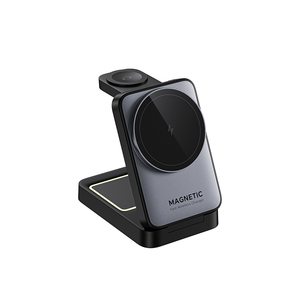

Inspected and calibrated for international wholesale distributors, cross-border retail brands, and OEM/ODM buyers requiring high-capacity energy efficiency.
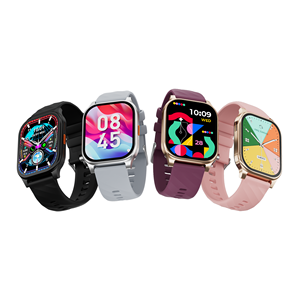
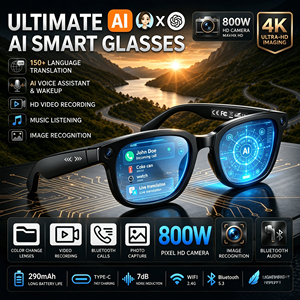
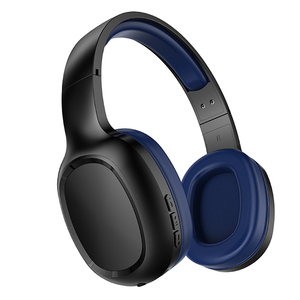
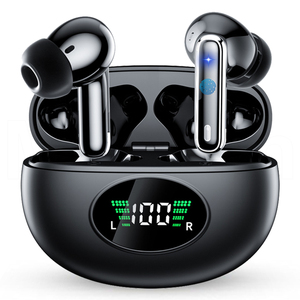
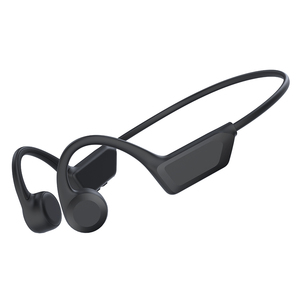
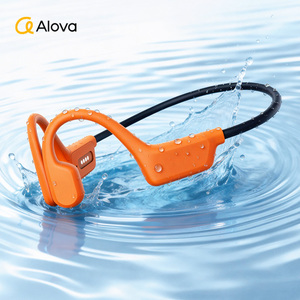
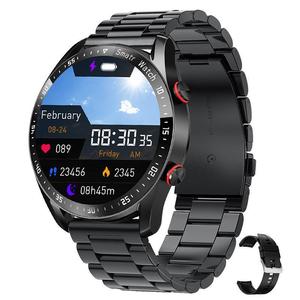
In the global consumer audio ecosystem, battery longevity has surpassed cosmetic design as the primary metric driving retail consumer retention and lower return rates. For enterprise sourcing directors, contracting with a recognized China top long battery earbuds exporter is no longer merely about acquiring off-the-shelf inventory—it is about securing reliable energy-density engineering, micro-amp power management architectures, and robust supply chain integrity.
As true wireless stereo (TWS), open-wearable stereo (OWS), and bone-conduction audio devices demand continuous active noise cancellation (ANC), high-bitrate codecs (such as LHDC and LDAC), and AI-assisted environmental microphones, battery depletion rates have risen dramatically. To offset this power consumption without increasing hardware weight or acoustic chamber volume, leading Chinese exporters have pioneered breakthroughs across four critical technological layers: high-density cell chemistry, system-on-chip (SoC) power management ICs (PMIC), low-energy Bluetooth protocols, and acoustic conversion efficiency.
Achieving over 10 to 14 hours of continuous audio playback on a single charge—and upwards of 60 to 80 hours with the companion charging case—requires systemic hardware optimization. When evaluating prospective manufacturing partners, procurement teams should inspect the following technical capabilities:
Traditional lithium-ion cells suffer volumetric limitations around 550 Wh/L. Premier exporters utilize high-voltage (4.4V–4.45V) silicon-graphite composite anodes yielding 700–780 Wh/L, drastically increasing mAh capacity within tiny earbud stems.
Integration of low-power Bluetooth 5.3/5.4 microarchitectures (such as Nordic, WUQI, or Bestechnic chipsets) lowers operating currents during active streaming down to 3.5mA – 4.5mA, halving standard drain rates.
Dynamic Voltage and Frequency Scaling (DVFS) combined with intelligent PMIC idle switching reduces standby drain, ensuring that earbuds stored in warehouses retain 90%+ charge over 180 days of transit and shelf life.
The comparative matrix below outlines the operational benchmarks separating standardized consumer-grade wireless earbuds from industrial-grade extended-battery export products manufactured in China's top audio facilities.
| Engineering Metric | Generic Commodity Earbuds | Premier Chinese Exporter Standard | Commercial Procurement Advantage |
|---|---|---|---|
| Battery Energy Density | 480 – 520 Wh/L (Standard Cobalt) | 720 – 780 Wh/L (Silicon-Carbon) | 35% greater battery capacity in identical physical dimensions. |
| Single-Charge Playback | 4 – 5 Hours (ANC Off) | 10 – 14 Hours (ANC Off) / 8+ Hrs (ANC On) | Eliminates daily charging fatigue for end consumers. |
| SoC Active Current Drain | 7.5 mA – 9.0 mA | 3.5 mA – 4.2 mA (BLE 5.4 LE Audio) | Doubles hardware battery runtime under continuous playback. |
| Battery Cycle Life (Decay) | 300 Cycles (<70% Capacity) | 800+ Cycles (Maintain >80% Capacity) | Extends end-product lifespan by 2.5x, minimizing warranty claims. |
| Fast Charge Efficiency | 60 Mins for 100% Charge | 10 Mins Charge = 3 Hours Playback | High consumer satisfaction through rapid energy recovery. |
| Standby Drain Current | 15 µA – 25 µA | < 5 µA (Quiescent State PMIC) | Guarantees 6-month shelf life without battery exhaustion. |
As the international wireless audio market shifts toward open-ear ergonomics, spatial audio computing, and wearable AI assistants, procurement executives must align their supply chain strategies with upcoming technological paradigms:
The universal adoption of the LC3 codec under the Bluetooth LE Audio standard delivers higher audio quality at half the bitrate of classic SBC. This reduces RF power transmission requirements by up to 40%, making 15-hour playback standard across export models.
Next-generation micro-solid-state cells are replacing liquid-electrolyte lithium polymers. These button cells offer enhanced safety against thermal runaway while allowing flexible form-factors in ultra-lightweight open-ear (OWS) clips.
Upcoming global mandates (such as EU Regulation 2023/1542) demand full supply chain traceability, recycled material ratios, and battery health telemetry. Leading exporters provide full MSDS, UN38.3, and carbon footprint documentation.
Collaborating with a premier exporter grants global brands, wholesalers, and private-label buyers access to an end-to-end manufacturing ecosystem optimized for scale, quality assurance, and compliance:
A. Advanced SMT Line Automation & RF Testing: Production lines utilize automated Surface Mount Technology (SMT) with 0201 component placement precision, coupled with shield-room Agilent RF testers to verify antenna sensitivity, power consumption, and frequency stability.
B. Acoustic Tuning & Custom DSP Integration: Partnering facilities integrate calibrated acoustic chambers and Sound by Bose engineering methodologies. Exporters provide specialized DSP tuning for custom equalizer curves, sub-bass enhancement, and Environmental Noise Cancellation (ENC) mic arrays.
C. Comprehensive Export Certification Framework: All exported products undergo strict battery burn-in tests, IPX5-IPX8 water ingress validation, drop testing, and climate chamber cycling (-20°C to 65°C), ensuring seamless customs clearance under CE, FCC, RoHS, REACH, and KC standards.
Top exporters excel through direct supply chain integration with tier-1 battery cell suppliers (e.g., VARTA, Ganfeng, Grepow), advanced SMT cleanroom assembly, ultra-low-power Bluetooth chipset allocation, and compliance with UN38.3 transport safety regulations. They provide certified test reports verifying continuous battery playback claims.
During mass production, automated battery testing systems subject 100% of cells to charge/discharge cycle validation, measuring actual capacity (mAh), internal impedance (mΩ), and quiescent current drain. Finished earbuds undergo continuous playback burn-in testing in sound-damped acoustic chambers at 50% volume according to IEC standards.
Because high-capacity lithium-ion earbuds and charging cases fall under dangerous goods regulations for air and sea freight, exporters provide UN38.3 test summaries, MSDS (Material Safety Data Sheets), Air/Sea Transport Safe Certificate documentation, and IEC 62133 safety certification.
Standard OEM customized packaging and logo branding typically start at 1,000 to 3,000 units per model. Full ODM projects involving custom tooling, bespoke PCB layout, and tailored battery chamber development usually require an MOQ of 5,000 units with dedicated engineering support.
ENC utilizes dual or quad-microphone arrays running real-time digital signal processing (DSP) to isolate voice from ambient noise during calls. Advanced low-power DSP algorithms keep additional current draw under 0.8mA, preserving voice call battery life while delivering clear audio.
Yes, enterprise exporters provide turnkey iOS and Android SDK/companion app solutions. Apps support custom EQ switching, touch control remapping, battery percentage telemetry per earbud, over-the-air (OTA) firmware updates, and localized language support.
Partner with China's leading exporter of extended-battery wireless earbuds, smartwatch ecosystems, and smart wearable hardware. Request engineering specifications, factory audit reports, and competitive bulk OEM quotes today.
Inquire Now