
A Women's Fitness Smartwatch is more than a screen on the wrist. For many users, it tracks steps, workouts, sleep, and heart-rate trends throughout a busy day. Some models also offer cycle tracking, but features and accuracy vary. Fit matters. Comfort matters, too.
This guide introduces ten suppliers serving markets worldwide. It compares their product ranges, health and fitness functions, customization options, certifications, and support for buyers. These details can help retailers and brands assess potential partners. A feature list alone is not enough. Battery life, app usability, data clarity, and after-sales service deserve close attention. Supplier claims should also be checked against independent testing and published specifications.
Exercise physiologist and sports nutrition scientist Dr. Stacy Sims is widely known for the reminder, “Women are not small men.” Her words concern differences in women’s physiology, not smartwatch selection. Still, they offer a useful lens: wearable products should be assessed for how well they serve women’s varied needs, rather than relying on a one-size-fits-all label. No device replaces medical advice, and consumer trackers have limits. The comparisons ahead aim to make those limits—and the practical choices—easier to see.
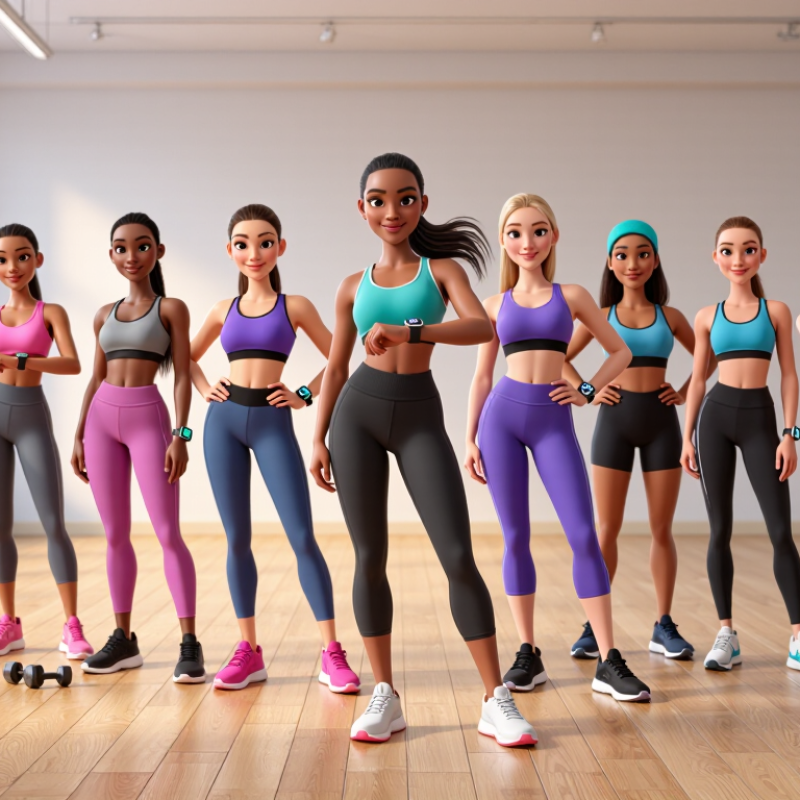
Women’s fitness smartwatches are wrist-worn devices designed to monitor movement, exercise, recovery, and selected body signals. They combine software with sensors rather than acting as clinical instruments. The market is expanding with the wider wearable sector. IDC’s Worldwide Quarterly Wearable Device Tracker reported approximately 538 million wearable device shipments in 2024. However, shipment growth does not prove that every user receives better health guidance.
The main sensor is optical photoplethysmography, or PPG. It uses light to estimate heart rate and blood oxygen levels. Accelerometers detect steps and movement, while gyroscopes identify wrist position and exercise patterns. Many models add skin-temperature sensors, GPS, and electrical contacts for heart rhythm readings. These tools support running pace, workout intensity, sleep patterns, and menstrual-cycle logging. Cycle predictions remain estimates. Stress, illness, travel, and irregular routines can affect them.
The use case is practical. A woman can check heart rate during a warm indoor workout, review recovery after poor sleep, or notice declining activity across a busy week. The World Health Organization reported that about 31% of adults worldwide were insufficiently active in 2022. That figure gives activity tracking real relevance, but not perfect accuracy. Sweat, loose straps, darker tattoos, and rapid movement can distort readings. Professional interpretation still matters for persistent symptoms. Data from smartwatches should guide questions, not replace medical advice. Even experienced users may overtrust a neat graph.
The global smartwatch market reached USD 33.58 billion in 2023, according to Grand View Research. That figure signals more than stylish wrists. It reflects rising demand for activity, sleep, and heart-rate feedback. For women’s fitness, suppliers face a practical test: can one device remain comfortable during training, running, and long workdays? Small cases, adjustable straps, and readable displays matter. So does trustworthy data.
Supplier evaluation should begin with evidence, not glossy specifications. The International Data Corporation reported 520.7 million wearable-device shipments worldwide in 2023. This broad figure shows market scale, but it does not prove fitness accuracy. Suppliers should disclose sensor methods, battery performance, water-resistance testing, and software-update policies. Independent validation is valuable. It is not perfect.
A reliable supplier also considers different wrist sizes, skin tones, exercise habits, and menstrual-health needs. These details can affect comfort and measurement quality. Counterpoint Research reported continued smartwatch market growth in 2023, despite uneven consumer spending. That resilience supports ongoing sourcing, yet forecasts can mislead. Growth may hide returns, weak support, or short product lifecycles. A practical review includes sample testing during intervals, sweating, sleep, and a cold morning. Record the gaps. Ask difficult questions. Then compare suppliers by evidence, service, and user safety.
IDC’s Worldwide Quarterly Wearable Device Tracker recorded 534.6 million wearable units shipped globally in 2024. This figure shows powerful demand, but shipment volume does not guarantee better fitness guidance. For women’s fitness smartwatch suppliers, practical value depends on sensor accuracy, battery stability, comfort, and clear data controls. The 2024 ACSM Worldwide Survey ranked wearable technology as the leading fitness trend. That finding supports demand for heart-rate tracking, sleep insights, training load, and cycle-related wellness features. However, suppliers should avoid presenting wellness data as medical advice.
A reliable supplier should provide test records, app security details, and transparent measurement limits. Independent laboratory checks matter, especially during interval training, swimming, or resistance workouts. Smaller wrist sizes also need attention. A loose strap can distort heart-rate readings. I sometimes overvalue feature counts. More functions can create more confusion. The best products make daily decisions easier, not noisier.
Tips: Compare verified shipment data with return rates and user reviews. Ask suppliers how they test sensors across different skin tones, wrist sizes, and movement patterns. Check battery performance after continuous tracking. Review privacy settings before collecting sensitive wellness information. The market is expanding quickly, yet quality evidence still feels uneven. That gap deserves careful questioning.
Choosing among the top women’s fitness smartwatch suppliers worldwide requires more than comparing prices. Accuracy should be tested with controlled workouts, including walking, cycling, strength training, and sleep tracking. Compare heart-rate readings with a validated reference device, not only the supplier’s app. Check GPS performance near tall buildings and under tree cover. Results may vary with skin tone, wrist position, tattoos, and movement. No test is perfect.
Battery claims need practical verification. Record battery levels after seven days with notifications, continuous heart-rate monitoring, and several workouts enabled. A strong supplier should explain charging cycles and replacement policies clearly. App quality also matters. Review data export, dashboard clarity, language support, update frequency, and permission settings. I once found an attractive interface hiding confusing recovery scores. That detail changed the evaluation.
Tips: Request independent test reports, sample units, and a written accuracy method. Ask how firmware issues are tracked and resolved. Confirm privacy controls before collecting user data. Compliance documents should match the intended sales regions, product version, charger, wireless functions, labeling, and materials. Suppliers should provide traceable records, quality checks, and responsible after-sales support. Be cautious when certificates look incomplete or cannot be verified. A low price may reflect missing documentation, not better efficiency. A small pilot order can reveal packaging faults, syncing delays, and uncomfortable wrist fit before a larger commitment.
The top 10 worldwide suppliers compete through specialized product strengths and broad market reach. Leading suppliers offer accurate heart-rate sensors, cycle tracking, sleep insights, GPS, and water resistance. Some focus on lightweight designs for smaller wrists. Others build stronger batteries for hiking, commuting, and long training sessions. Suppliers in North America and Europe often emphasize health data transparency and software reliability. Asian manufacturers commonly provide strong value, flexible production, and fast model updates. Regional suppliers also matter because they understand local languages, payment systems, and fitness habits.
Market reach depends on more than online visibility. Reliable suppliers maintain regional warehouses, responsive service teams, and clear warranty procedures. Professional buyers should examine sensor testing, app compatibility, privacy controls, and replacement-part access. Independent testing adds confidence, especially when watches estimate recovery or menstrual-cycle patterns. However, no supplier is perfect. A model may offer excellent tracking but weaker battery life. Another may reach many countries but provide limited support after purchase. These gaps deserve honest comparison.
Tips: Check real user reviews, not only specifications. Request testing records and sample units before large orders. Compare wrist comfort after several hours. Confirm language support, data policies, and charging availability in each target market. Supplier claims can sound polished. Practical evidence is better.
Review sensor methods, battery testing, water-resistance records, and update policies. Request sample units before placing large orders. Specifications can look impressive. Practical evidence matters more.
Test heart-rate readings during intervals, steady runs, sweating, and recovery. Compare results with a trusted reference device. No measurement is perfect.
A watch should fit smaller and larger wrists without slipping. Check strap adjustment, case weight, display readability, and skin comfort. Wear it for several hours. Short tests may hide irritation.
Ask for battery results during GPS use, sleep tracking, notifications, and regular workouts. A long training session can expose weak performance. Charging access also matters when traveling.
Useful features may include heart-rate tracking, sleep insights, GPS, cycle tracking, and water resistance. Buyers should check how clearly the device explains estimates. More features do not guarantee better results.
Suppliers should consider wrist sizes, skin tones, exercise habits, languages, and menstrual-health needs. These factors may affect comfort and measurement quality. One design rarely suits everyone.
Check regional warehouses, response times, warranty procedures, and replacement-part access. Confirm software support after purchase. A wide market reach is not enough.
Buyers should review data policies, permission settings, and supported phones. Confirm whether users can control or delete collected information. Privacy details are easy to overlook. That is a mistake.
Compare sample performance, comfort, battery life, service quality, and total costs. Read user reviews alongside testing records. Growth figures can mislead. Returns and short product lifecycles still matter.
A Women's Fitness Smartwatch is a wearable device designed to support women’s health, exercise, and everyday wellness through connected sensors and intelligent software. It can monitor activity, heart rate, sleep, blood oxygen, stress, workouts, and selected cycle-related insights, while providing notifications and fitness guidance. With the smartwatch market valued at $33.58 billion in 2023 and global wearable shipments reaching 534.6 million units in 2024, demand for practical and health-focused devices continues to grow.
This article explains how to evaluate worldwide suppliers by examining sensor accuracy, battery life, application quality, data protection, product durability, and regulatory compliance. It also presents ten leading supplier categories and compares their product strengths, innovation capabilities, distribution coverage, and suitability for different user needs. Whether the priority is exercise tracking, daily wellness, personalized insights, or reliable long-term use, understanding these factors helps buyers select a Women's Fitness Smartwatch that offers balanced performance, usability, and value.