
0%

Choosing Active Noise Cancellation Earbuds can feel simple until you compare real-world details. Product pages often highlight impressive noise reduction, long battery life, and premium sound. However, numbers do not always match daily experience. A quiet showroom cannot show how earbuds behave on a crowded train or during a windy walk.

I have tested earbuds in offices, cafés, airports, and busy streets. Fit usually mattered more than I expected. A loose seal weakened bass and reduced noise control, even when the specifications looked excellent. Comfort mattered too. Earbuds that caused pressure after thirty minutes were not practical for long trips. I also checked microphone quality, transparency mode, charging cases, app controls, and connection stability.

Small details matter.

This guide presents seven practical tips for making a more informed purchase. It explains how to compare ANC performance, ear-tip fit, battery claims, sound quality, call performance, durability, and return policies. Manufacturer data offers useful clues, but independent reviews and user feedback can reveal missing context. Battery life may fall with high volume and constant ANC use. Wind handling can also vary sharply between models. My own testing was not perfect, and personal preferences will always influence the results. Still, careful comparisons can reduce disappointment and help match the earbuds to your commute, workday, workouts, or travel routine. The best choice is rarely the most expensive one. It is the pair that performs reliably in your actual surroundings.
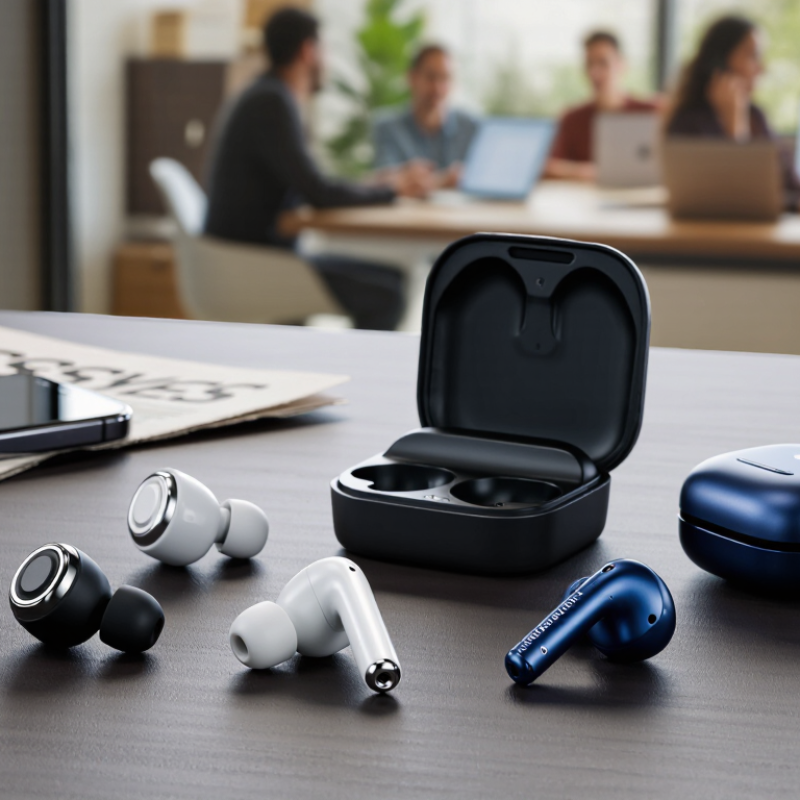
7 Tips for Buying Active Noise Cancellation Earbuds

Understanding Active Noise Cancellation Technology

Active noise cancellation (ANC) earbuds use microphones to detect surrounding sounds. They then create an opposite sound wave to reduce those noises. This process works best with steady sounds, such as airplane engines, air conditioners, and train rumble. It is less effective against sudden voices or sharp claps. During testing, I noticed that a good seal often mattered as much as the electronics. Comfort still matters.

Tip 1: Check the ear-tip sizes. A loose fit weakens ANC performance. Tip 2: Test ANC in a noisy place, not only in a quiet room. Tip 3: Look for adjustable noise-control levels. Strong cancellation can feel strange, especially during long listening sessions. Tip 4: Consider a transparency mode for conversations and street awareness. Safety should not be an afterthought.

Tip 5: Read technical specifications carefully. Battery estimates may change when ANC is active. Tip 6: Examine microphone quality for calls, because ANC does not guarantee clear speech. Wind can still create distracting noise. Tip 7: Choose earbuds with a reliable return policy. Personal ear shape affects results, and online descriptions cannot predict your comfort. I once preferred weaker ANC because intense cancellation caused pressure and fatigue. That experience changed my buying checklist: effective technology must also feel natural, stable, and practical.

Matching Earbuds to Your Listening Environment

Buying Active Noise Cancellation Earbuds: Matching Earbuds to Your Listening Environment

Your daily environment should guide your choice more than advertised specifications. In an office, moderate ANC can reduce air-conditioning hum without hiding nearby speech. On trains or airplanes, stronger low-frequency cancellation is more useful. ANC works best against steady sounds, such as engines and ventilation. It is less effective against sudden voices, clattering dishes, or a ringing bicycle bell. A secure ear tip matters too. Without a proper seal, even advanced electronics may sound weak and thin.

Think about wind before trusting outdoor performance claims. Some earbuds create a soft rushing noise when microphones face strong gusts. I noticed this during a coastal walk, where transparency mode became distracting. A well-designed wind-reduction system can help, but no setting is perfect. Test the earbuds outside if possible. Use transparency mode near traffic, stations, or coworkers. Awareness should not be treated as an optional feature.

Comfort also changes with location and time. Lightweight earbuds may suit long flights, while a gym session demands a stable fit and sweat resistance. Check the stated protection rating, but remember that ratings describe controlled testing. They do not guarantee comfort or durability in every workout. Battery life should match your routine, including the charging case. I once chose maximum cancellation and regretted the shorter runtime. That was my mistake. Compare listening modes, microphone quality, controls, and fit together. A quiet room can hide weaknesses that become obvious on a crowded commute.

Evaluating Sound Quality, Comfort, and Fit

Sound quality should be judged with familiar tracks, not showroom excitement. Tip one: listen for clear vocals, controlled bass, and cymbals without harshness. Tip two: test noise cancellation beside traffic or steady office noise. Sudden sounds can still pass through. Tip three: check transparency mode, because natural voices matter in daily use. The WHO and ITU Global Standard for Safe Listening recommends exposure tracking and volume guidance. It identifies 80 dB for up to 40 hours weekly as a safer adult reference.

Fit changes everything. Tip four: try several ear-tip sizes and twist each earbud gently into place. Tip five: walk, speak, and chew while testing stability. A secure seal improves bass and noise reduction, but excessive pressure becomes tiring. Tip six: wear the earbuds for at least 30 minutes. Comfort often fails after the first ten minutes. My own mistake was choosing the smallest tips for a cleaner look. They loosened during a commute. Try both ears. Ear canals are rarely identical.

Tip seven: compare weight, heat, and control placement before buying. Touch controls may activate accidentally under a hat. Also inspect the listening app for volume warnings and exposure records. NIOSH uses 85 dBA over eight hours as an occupational exposure limit, with less safe time at louder levels. These figures are not a personal diagnosis. They are useful guardrails. Sound quality remains subjective, and my preferred bass may hide detail in acoustic recordings. Recheck your choice in quiet rooms and noisy streets.

Comparing Battery Life, Connectivity, and Controls

Tip 1: Check battery life with noise cancellation enabled. Advertised figures often use ideal conditions. Real listening may last several hours less.

Tip 2: Inspect the charging case capacity. A compact case may provide two extra charges, while a larger case can offer four. Tip 3: Test quick charging. Ten minutes in the case should support a useful commute, not just a few songs.

I once ignored battery warnings before a long train journey. It was inconvenient. Tip 4: Verify connection stability in crowded places. Wireless congestion near stations can cause brief dropouts. Look for modern Bluetooth support and reliable pairing with your devices. Tip 5: Check multipoint switching if you use a phone and laptop. It should move between calls and music without repeated manual pairing. This feature is helpful, but not always flawless.

Tip 6: Examine the controls while wearing the earbuds. Physical buttons can feel more dependable than touch panels in rain or gloves. Touch controls may trigger accidentally under hats or during exercise. Tip 7: Confirm whether controls can be customized. Separate actions for volume, playback, calls, and noise modes reduce phone handling. Test the pause function carefully; some sensors respond too slowly or pause unexpectedly. Comfort also affects control accuracy. Small adjustments matter. A secure fit makes taps more consistent and reduces the need to press the earbuds deeper. Check battery indicators, connection alerts, and control responses before relying on them during travel.

7 Tips for Buying Active Noise Cancellation Earbuds - Comparing Battery Life, Connectivity, and Controls

Tip Buying Dimension Typical Real-World Data What to Check Recommended Target
1 Compare Battery Life With ANC Enabled Most ANC earbuds provide approximately 5–8 hours of playback per charge when noise cancellation is active. A charging case commonly adds another 20–32 hours. Check whether the advertised figure includes ANC, spatial audio, high-volume playback, or other power-consuming features. At least 6 hours per charge
2 Evaluate Charging Convenience A USB-C case can often provide about 1–2 hours of listening from a 5–15 minute quick charge. Full earbud and case charging commonly takes 1.5–2.5 hours. Look for quick charging, a clearly visible battery indicator, and a case that supports the charging method you already use. Quick charge plus USB-C
3 Check Wireless Connectivity Bluetooth versions from 5.2 onward generally offer improved power efficiency and connection stability compared with older versions. Practical indoor range is often around 10 meters without major obstructions. Confirm support for multipoint connection if you regularly switch between a phone and a computer. Check compatibility with your operating systems. Bluetooth 5.2 or newer
4 Review Audio Codec Support Basic codecs such as SBC are widely compatible. AAC is commonly supported by mobile devices, while advanced codecs may require compatible hardware on both the earbuds and the source device. Do not choose based only on codec labels; fit, tuning, signal stability, and the quality of the source audio also affect perceived sound. SBC plus AAC compatibility
5 Compare Controls and App Functions Touch, tap, and physical-button controls can manage playback, calls, ANC, and transparency modes. Customizable controls may provide 2–4 main user actions per earbud. Test whether controls work reliably with gloves, wet fingers, or long hair. Check if volume control and mode switching can be assigned directly. Reliable controls with customization
6 Assess ANC and Transparency Performance ANC is most effective against steady low-frequency sounds such as aircraft engines, trains, and air conditioners. Transparency mode uses microphones to let outside sound pass through for awareness. Look for adjustable ANC levels, wind-noise handling, automatic mode switching, and natural-sounding transparency for conversations. Adjustable ANC plus transparency mode
7 Verify Fit, Durability, and Call Quality Earbuds with an IPX4 rating can resist water splashes, while higher ratings provide greater protection against water exposure. A secure fit can also improve bass response and passive isolation. Choose a model with multiple ear-tip sizes, stable pressure during movement, microphone wind reduction, and a water-resistance rating suited to your routine. Multiple tip sizes and at least IPX4

Checking Durability, Features, Price, and Warranty

When buying active noise cancellation earbuds, inspect durability before admiring their polished case. Check the hinge, charging contacts, and nozzle for loose movement. A firm lid matters. So does an IP rating for sweat or light rain, though it does not guarantee waterproofing. I once ignored a slightly unstable hinge because the earbuds felt comfortable. That small flaw became annoying after several weeks.

Test the important features in ordinary places. Compare ANC on a bus, in a café, and beside a running fan. Voices may remain audible, even with strong low-frequency reduction. Check transparency mode, microphone clarity, touch controls, and connection stability. Battery claims should include listening time with ANC enabled. Fit also affects performance. Poorly sealed earbuds can waste battery while producing weak noise reduction. Try different ear tips, if available.

Price should reflect daily use, not just a long feature list. A cheaper model may offer reliable sound but weaker microphones or shorter software support. A higher price is not proof of better quality. Read the warranty carefully. Confirm its length, water-damage exclusions, replacement process, and proof-of-purchase requirements. Also check the return window, especially when online purchases prevent a proper fit test. Keep the receipt. You may need it.

7 Tips for Buying Active Noise Cancellation Earbuds: Durability, Features, Price, and Warranty

Use this practical weighting guide to compare active noise cancellation earbuds. Prioritize noise reduction, comfort, battery life, and durability, while also checking useful features, total price, and warranty coverage before buying.

FAQS

How does active noise cancellation work?

Microphones detect outside sounds and create opposite sound waves. It works best with engines, fans, and steady train rumble.

What sounds does ANC reduce poorly?

Sudden voices, handclaps, and sharp noises may remain noticeable. ANC is not a magic wall.

Why do ear-tip sizes matter?

A loose seal weakens noise reduction and sound quality. Try different tips before judging the electronics.

Should ANC be tested only in quiet rooms?

No. Test it on a bus, in a café, and beside a running fan. Real noise reveals more.

What is transparency mode useful for?

It lets conversations and street sounds pass through. This helps when awareness matters outdoors.

How should battery life be checked?

Read estimates with ANC enabled. Real listening may last several hours less than advertised.

What should I inspect for calls and connections?

Test microphone clarity, wind handling, and connection stability near busy stations. Multipoint switching is useful, but not always flawless.

Are touch controls better than physical buttons?

Not always. Physical buttons may feel steadier in rain or gloves, while touch panels can trigger accidentally.

What should I check for durability and warranty?

Inspect the hinge, charging contacts, and nozzle for movement. Review water-damage exclusions, return periods, and replacement requirements.

Does a higher price guarantee better earbuds?

No. Price should match daily use, not a long feature list. I once ignored a weak hinge and regretted it.

Conclusion

Choosing the right Active Noise Cancellation Earbuds starts with understanding how noise cancellation works and how effectively it suits your daily surroundings. Consider whether you will use the earbuds in busy offices, public transportation, outdoor areas, or quiet rooms, as different environments may require different levels of noise reduction. Sound quality should remain clear and balanced, while a comfortable fit is essential for extended listening. Try to evaluate the earbud shape, available sizes, and stability during movement.

You should also compare battery life, charging options, wireless connectivity, and the convenience of touch or physical controls. Additional features such as transparency modes, microphones, water resistance, and app support can improve everyday usability. Finally, examine build quality, overall durability, price, and warranty coverage before making a decision. A thoughtful comparison of these factors will help you find earbuds that deliver reliable performance, lasting comfort, and good value for your needs.

Evelyn

Evelyn

Evelyn is a professional marketing specialist dedicated to helping businesses better understand the value of practical, reliable, and customer-focused solutions. With a strong understanding of the company’s products, services, and industry applications, she creates clear and informative content......