
Wireless ANC Headphones are competing on more than silence. Buyers now weigh noise reduction, sound quality, comfort, battery life, microphone performance, and price. Grand View Research’s 2024 headphones market report estimated the global market at $58.3 billion in 2023, with continued growth projected through 2030. That is useful context, not proof that every segment is expanding equally. The report covers headphones broadly, so it cannot tell us which ANC models offer the best value.
Real use is less tidy than a specification sheet. A headset may soften the rumble of a train yet leave nearby voices audible. Fit matters, too. Small gaps around ear cups or ear tips can weaken noise isolation, and comfort varies from person to person. There is no universal winner.
This guide will compare leading 2026 models across practical criteria: measured or independently reviewed noise control, listening quality, call clarity, comfort, battery endurance, connectivity, and long-term value. Where manufacturers’ claims differ from independent testing, that distinction should be clear. Price and availability can also change by region and over time. A strong pick for frequent flyers may feel bulky at a desk. A cheaper model may be perfectly adequate for daily commutes. The trade-offs matter. The goal is not to crown the flashiest product, but to help readers match headphones to their routines, devices, and budget—with enough caution to question impressive numbers.
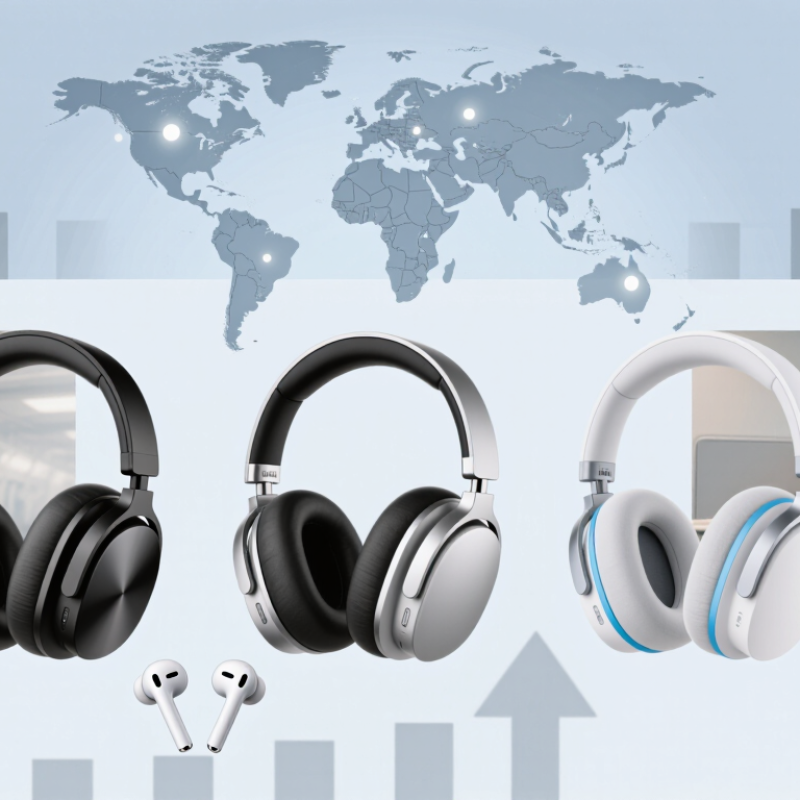
Wireless ANC headphones use microphones and signal processing to reduce outside noise while playing audio over a wireless connection. They work best against steady sounds, such as a fan or the low rumble of a train. Sudden voices and sharp clicks may still come through. Noise reduction is only part of the experience.
Fit matters just as much. Over-ear cushions should sit evenly around the ears without creating painful pressure; in-ear tips need a secure seal. A small gap can weaken both bass and noise reduction. Comfort varies, too, and a lighter pair may feel better during a long commute. No rating can fully predict how a headset will fit your ears.
Tips: Try the fit before a long trip, if possible. Check that Bluetooth stays stable in your usual spaces, and test calls near a window or busy street. Multipoint pairing can make switching between a laptop and phone easier, but support varies. Keep volume moderate. ANC is not perfect, and neither is any single spec sheet.
A single ANC score can hide where a headphone struggles. A cabin-like low rumble near 100 Hz may fade, while voices around 1,000 Hz remain clear. Compare attenuation across frequencies, not just one headline number. Look for independent lab reports with frequency-response isolation graphs, such as RTINGS’ headphone test results, and check whether testing covers bass, midrange, and treble.
ISO 4869-1:2018 offers a useful measurement reference: it reports hearing-protector attenuation across octave bands from 125 to 8,000 Hz. It does not certify consumer headphones, but its band-by-band approach shows why frequency detail matters. A 10 dB reduction represents ten times less sound intensity, yet perceived loudness varies by frequency and listener. Numbers need context.
In practice, compare graphs under consistent test conditions. A low-frequency dip can matter on a train; stronger midrange attenuation may help with nearby conversation. Listen for the hiss between tracks, too. Small, revealing detail. Fit can shift results, and glasses or loose ear cushions may weaken the seal. I may be giving charts too much weight: real commuting noise changes constantly, so published measurements should guide listening, not replace it.
When comparing wireless ANC headphones in 2026, look for battery life measured with noise cancellation switched on. An “up to” figure from a quiet laboratory may not match a commute. Ask whether testing used a steady volume, Bluetooth connection, and continuous playback. Those details make the number more useful.
Real-world testing should include a noisy train ride, a quiet room, and a few hours of mixed listening. Keep ANC enabled throughout, and note the volume level; louder playback can drain the battery faster. Record how long the headphones last before shutting down, not just when a warning appears. Repeat the test if possible. One run is shaky evidence.
Also check whether calls, transparency mode, or frequent device switching were included. They can change results, sometimes by a lot. A strong choice offers dependable ANC-on playback that fits your routine, with enough reserve for an unexpected delay. Battery claims are not perfectly comparable. Test conditions vary, and I would not treat a single hour count as a guarantee. If a review omits its setup, read its estimate cautiously.
For wireless ANC headphones, codec efficiency matters because a Bluetooth link has limited bandwidth. LC3 is designed for Bluetooth LE Audio and can deliver perceived quality comparable to SBC at roughly half the bitrate in some conditions. That is a useful efficiency gain, not a guarantee. Results depend on encoder settings, headphone support, and the audio itself. A delicate piano recording may reveal artifacts that a spoken podcast hides.
Check that both your headphones and playback device support LC3; otherwise, they may use another codec. Then compare the same familiar track at matched volume, listening for softened cymbals, smeared vocals, or lost room detail. Keep ANC settings unchanged. ANC does not improve codec fidelity, though its microphones and processing can shape what you hear. Quiet rooms help reveal small differences. So does a careful replay.
Bitrate charts are tidy; listening is not. Fit, driver tuning, and background noise often matter more during a commute. LC3 may also reduce the data needed for a given listening experience, but battery life depends on the whole device. Test before assuming the newer codec will sound better. That part is easy to miss.
Active noise cancellation can make a train carriage or busy café feel calmer. It may also help you keep playback lower by reducing the need to overpower background noise. But ANC does not cap headphone output. A quiet feeling is not proof of a safe listening level.
NIOSH recommends limiting occupational noise exposure to 85 dBA over eight hours, using a 3 dB exchange rate. That means each 3 dB increase halves the recommended exposure time: roughly four hours at 88 dBA, or two hours at 91 dBA. Treat this as a useful reference, not a personal guarantee. Noise from other parts of the day adds to overall exposure.
The tricky part is knowing the level reaching your ears. Phone volume percentages are not decibel readings, and app estimates can be imprecise. Not a safety switch. Try lowering the volume a few steps, then check whether speech or music still sounds clear. If you use headphones for hours, take quiet breaks and notice ringing or muffled hearing afterward. I still find it easy to mistake comfort for safety; that deserves a second look.
A safety-focused comparison guide for choosing wireless active noise-cancelling (ANC) headphones. The exposure benchmarks below are based on NIOSH’s recommended occupational noise limit; headphone performance is not ranked without model-specific, independently verified test data.
| Average sound level at the ear | NIOSH maximum daily exposure | Approximate dose at that duration | Practical listening interpretation |
|---|---|---|---|
| 85 dBA | 8 hours | 100% | NIOSH’s recommended exposure limit for an 8-hour workday. |
| 88 dBA | 4 hours | 100% | Each 3 dB increase halves the recommended exposure time. |
| 91 dBA | 2 hours | 100% | Keep total exposure from all noise sources in mind, not only headphone use. |
| 94 dBA | 1 hour | 100% | Long listening sessions at this level can use the daily allowance quickly. |
| 97 dBA | 30 minutes | 100% | Brief listening can contribute substantially to daily noise dose. |
| 100 dBA | 15 minutes | 100% | Avoid treating short permitted durations as a target for routine listening. |
NIOSH uses an 85 dBA, 8-hour recommended exposure limit with a 3 dB exchange rate. These are exposure limits, not guarantees of zero risk. ANC reduces some incoming environmental sound, but it does not automatically reduce the sound produced by the headphone drivers or change the exposure limit. Keep playback moderate and consider total daily noise exposure.
| Evaluation dimension | What to look for | Why it matters for safer listening | How to assess it |
|---|---|---|---|
| Listening-level or exposure monitoring | A clear sound-level estimate, exposure summary, or compatible device-level headphone notification. | Volume percentage alone does not reliably indicate dBA at the ear. | Check whether readings are calibrated for the specific headphone and device combination; treat unverified estimates as approximate. |
| Volume limits | An optional maximum-volume setting or listening reminder. | A limit can help prevent accidental increases, especially during long sessions. | Confirm that the setting is enabled and remains active across apps and connected devices. |
| ANC effectiveness in your use environment | Noise reduction that lets you hear your content comfortably without raising playback unnecessarily. | ANC may make lower playback levels more practical, but does not make loud playback safe. | Try the headphones in your typical surroundings and use a comfortable, moderate listening level. |
| Fit and passive isolation | A secure, comfortable fit with effective ear-cup or ear-tip sealing. | A poor seal can reduce noise cancellation and may encourage turning up the volume. | Check comfort and seal during movement; fit varies by person and ear shape. |
| Transparency or ambient mode | An adjustable mode for hearing nearby voices and environmental sounds when appropriate. | Situational awareness matters around traffic, announcements, and other hazards. | Test the mode in a safe setting; do not assume it replaces attention to surroundings. |
| Long-session comfort | Comfortable clamping force, padding, controls, and stable wireless connectivity. | Comfort can support breaks and moderate listening rather than repeated volume adjustments. | Try a realistic listening session and schedule quiet breaks. |
Best safety-oriented choice: prioritize reliable volume or exposure controls, a comfortable fit, effective ANC that works for your environment, and a usable transparency mode. No ANC feature can substitute for keeping playback levels and total exposure within safe limits.
A single score can hide weak spots. Low rumbles near 100 Hz may fade, while voices around 1,000 Hz remain clear.
Look for results across bass, midrange, and treble. Compare tests made under similar conditions. Small detail.
Yes. Glasses or a loose seal can let more sound through. A chart may not match your fit.
No. LC3 can offer similar perceived quality at roughly half the bitrate in some conditions. Support and settings matter.
Use the same familiar track and matched volume. Listen for softened cymbals, smeared vocals, or lost room detail. Replay it.
No. ANC can make a train feel calmer, but it does not cap playback volume. Not a safety switch.
It uses eight hours as a reference at 85 dBA. Each 3 dB increase halves the recommended exposure time.
Phone volume percentages are not decibel readings. Lower the volume a few steps, take quiet breaks, and notice ringing or muffled hearing. I may still mistake comfort for safety.
Wireless ANC Headphones combine active noise reduction, a secure and comfortable fit, and wireless connectivity for everyday listening. The best choice depends on how well the headphones reduce different kinds of sound, remain comfortable over time, and maintain a dependable connection—not on one headline specification alone.
To compare noise cancellation fairly, look for attenuation results across frequency bands rather than a single decibel score, since low and high sounds may be reduced differently. Check battery life in hours of ANC-on playback and consider the conditions used for testing, as volume and connection settings can affect real-world results. Bluetooth audio also deserves attention: LC3 can provide quality comparable to SBC at roughly half the bitrate. Finally, use listening levels responsibly; NIOSH identifies 85 dBA over eight hours as an exposure limit, so sustained loud playback should be avoided.